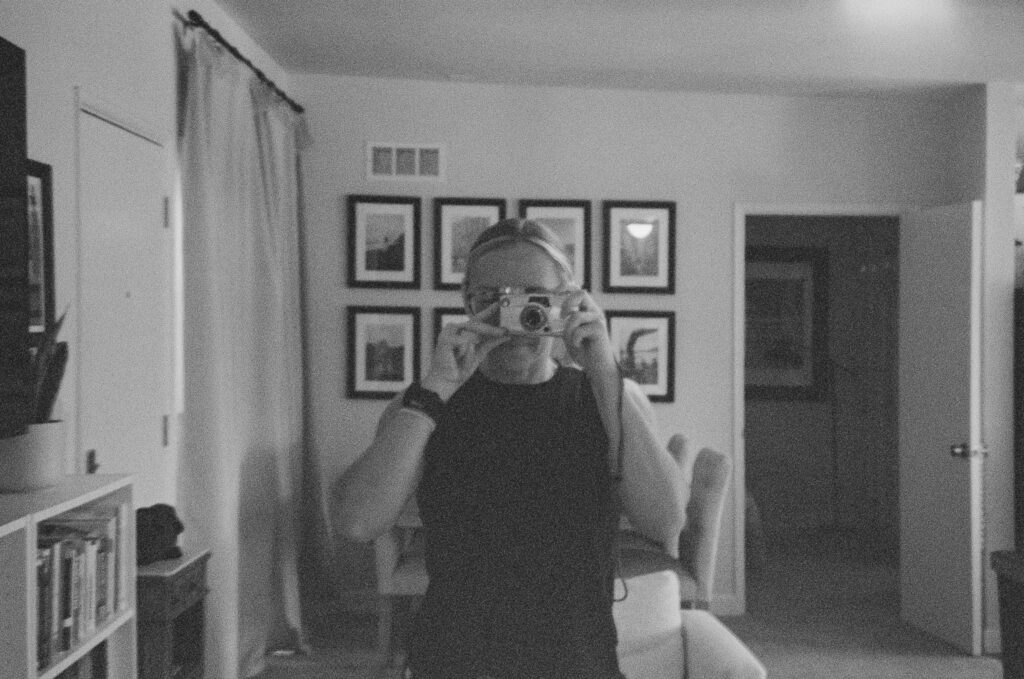
For years, I felt a pull to explore film photography. But I could never make myself take the plunge. Then it hit me last year that I was overcomplicating it. Just like you don’t need the best digital camera to start doing photography, you don’t need the fanciest film camera to start shooting with film.
I decided to simplify things and give film photography a try with a cheap camera to see if I liked the process of shooting film.
So I stalked eBay and bid on an untested Olympus Stylus point-and-shoot camera. I won it for around $60. Now, I’ve had that film camera for about seven months, and I’m sharing my thoughts about it in this post.
Disclosure: This post may contain affiliate links. If you make a purchase through them, I may earn a small commission at no extra cost to you.
The Olympus Stylus 150
The Olympus Stylus is a compact 35mm point-and-shoot film camera.
It is weather-resistant, has a built-in flash, and a 37.5-150mm zoom lens.
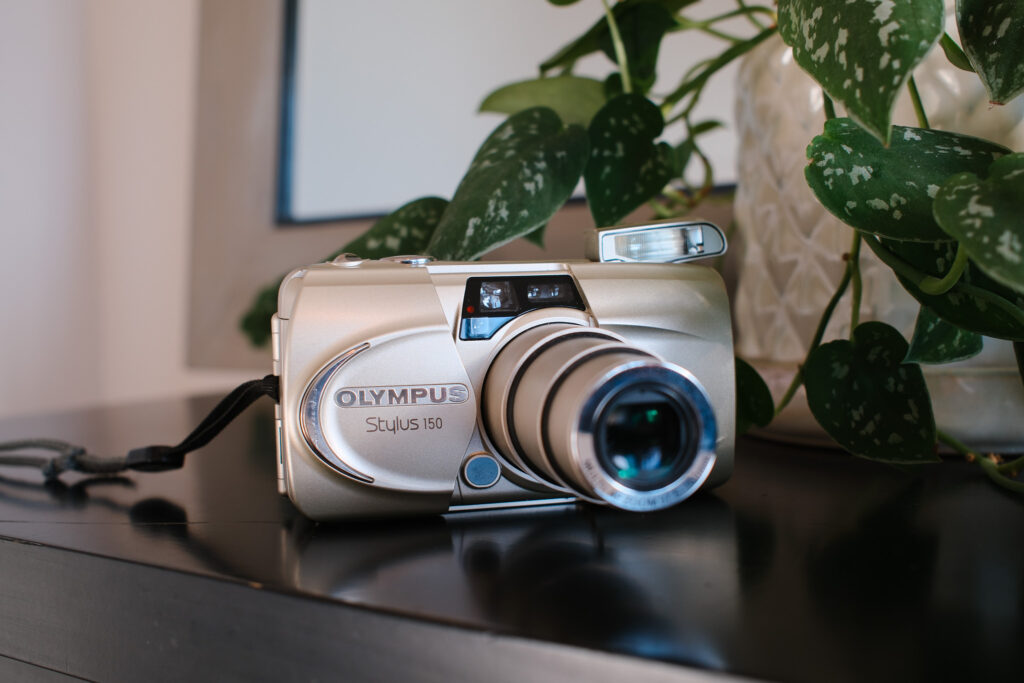
It’s extremely easy to carry around (my favorite) and doesn’t require much thinking to use. Load the film, it advances. Slide the lens cover open, and it powers on. Then all you have left to do is line up the shot and press the shutter. There’s even a counter showing how many frames you’ve taken, and a clear section on the back that shows which film you have in. When it’s done, it rewinds itself. And that’s it. Easy peasy.
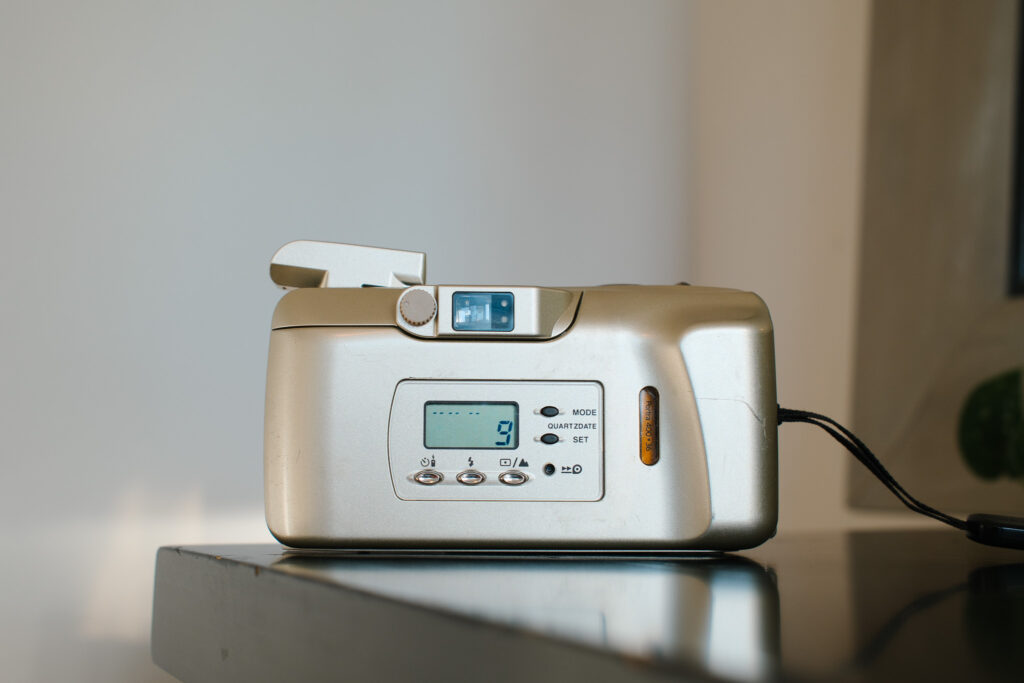
So far, the process of using a film camera has been a welcome experience. Choosing the film stock, searching for photos worth capturing, slowly filling the roll of film, dropping off finished rolls at a film lab, and then my favorite — waiting to receive an email with your scans!
It’s not a fast process, but in a world where everything moves quickly, it’s been nice to slow down and approach creating differently.
Olympus Stylus Example Photos
In this section, I’ve included some example photos taken on my Olympus Stylus with a few different film stocks.
Not-so-shockingly, film has made me more selective with my shutter than I’ve ever been before. Yes, there’s still a little residual shutter-happiness in my veins, but I’m much better than I was pre-Fujifilm camera.
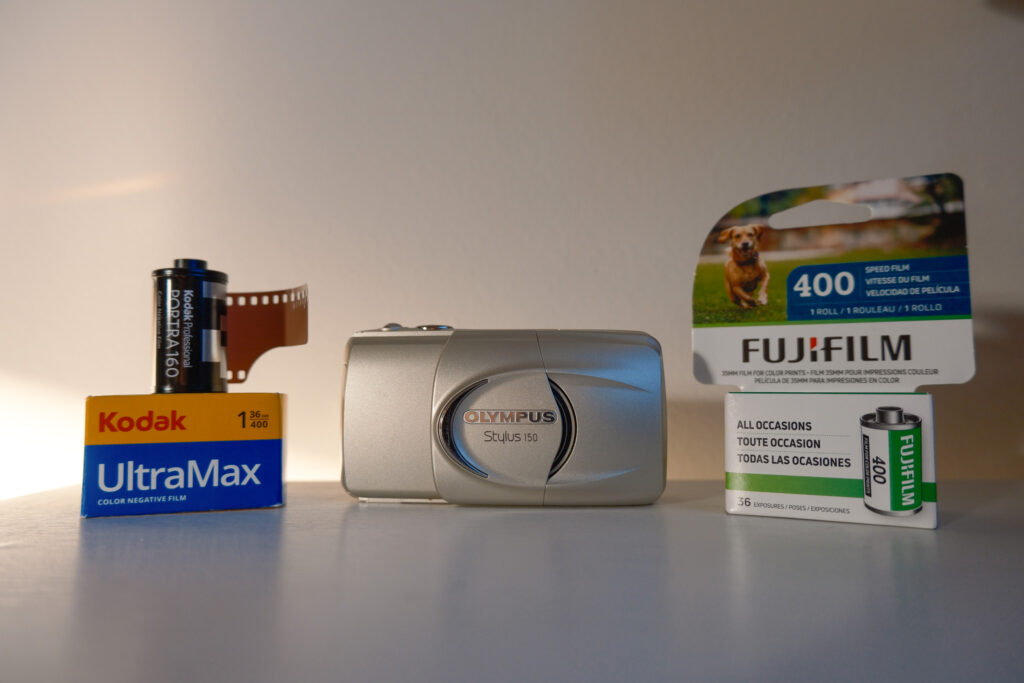
In seven months, I’ve only shot about six rolls of film — roughly 200 photos — compared to the thousands I’ve taken on my digital cameras in the same time frame.
On average, every third or so photo from the Olympus Stylus turns out okay.
Which is… good? I think.
Below, you’ll see some examples of moments I deemed worth capturing.
Kodak Ultramax 400
My Olympus Stylus came with an old roll of Kodak Ultramax 400 with about 18 shots left. All of the photos from this first roll came out a little grainy and green. I think it’s because it was an old roll, but I’m not sure. The four photos below are all from that roll, and I edited all but the last one in Lightroom.
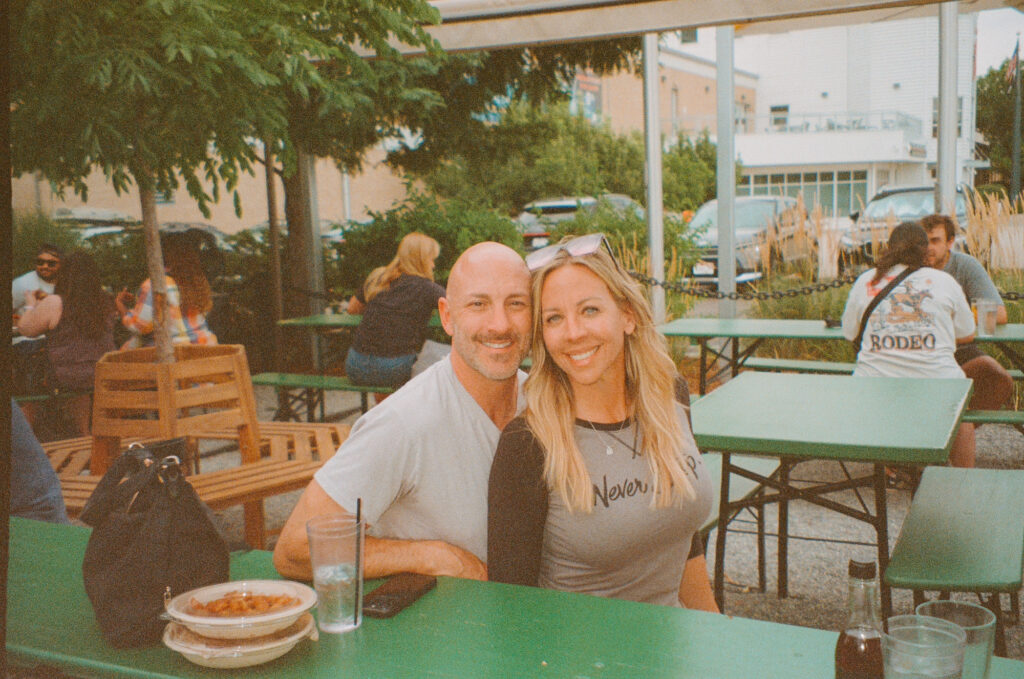
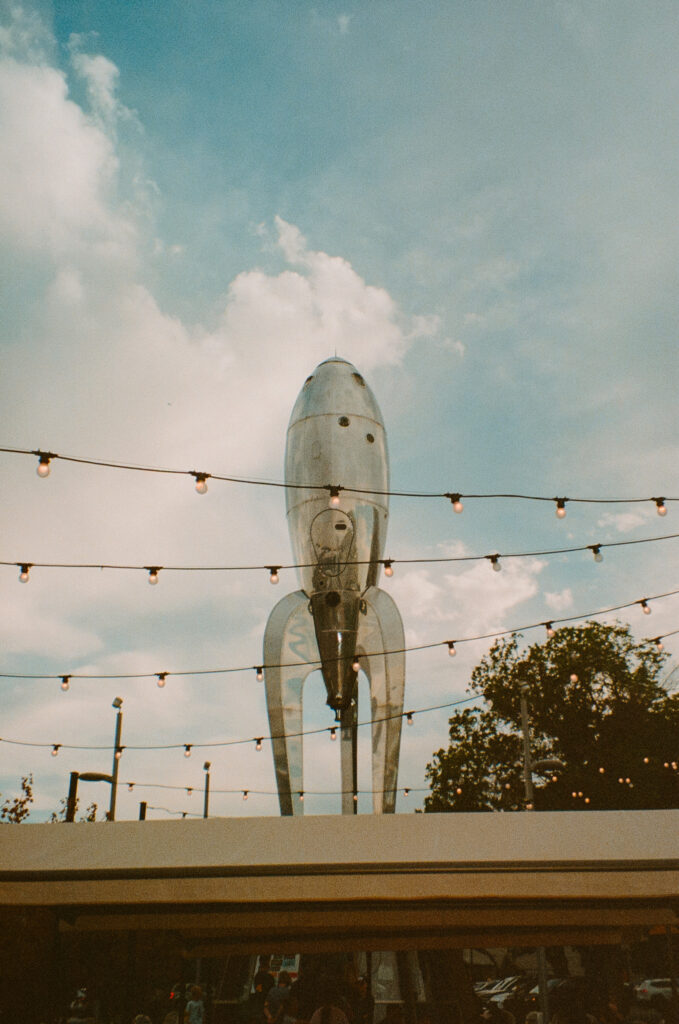
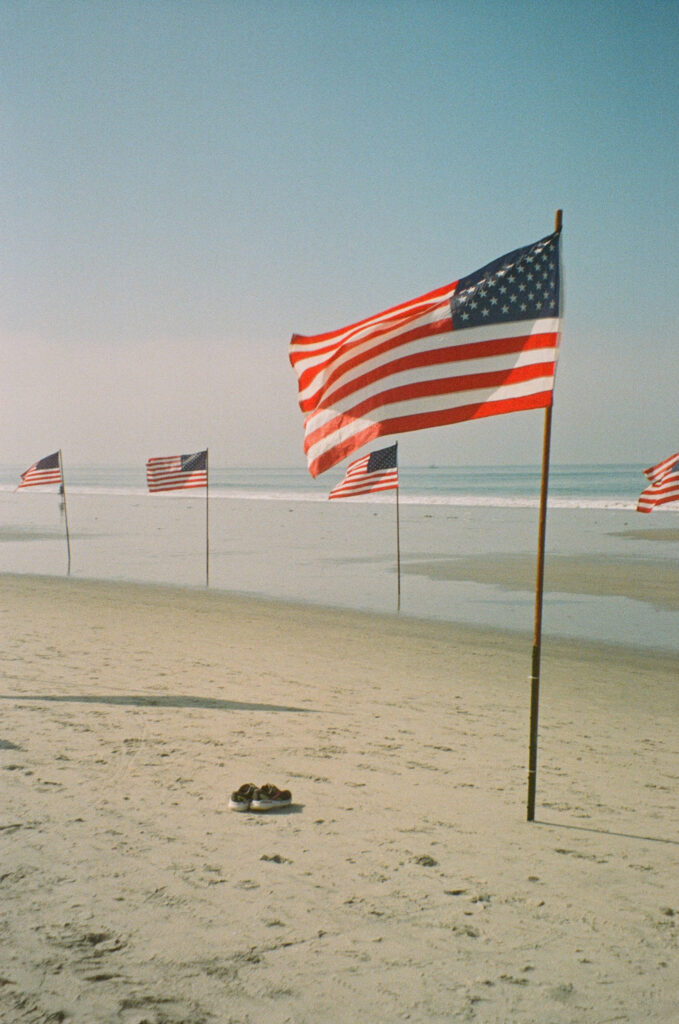
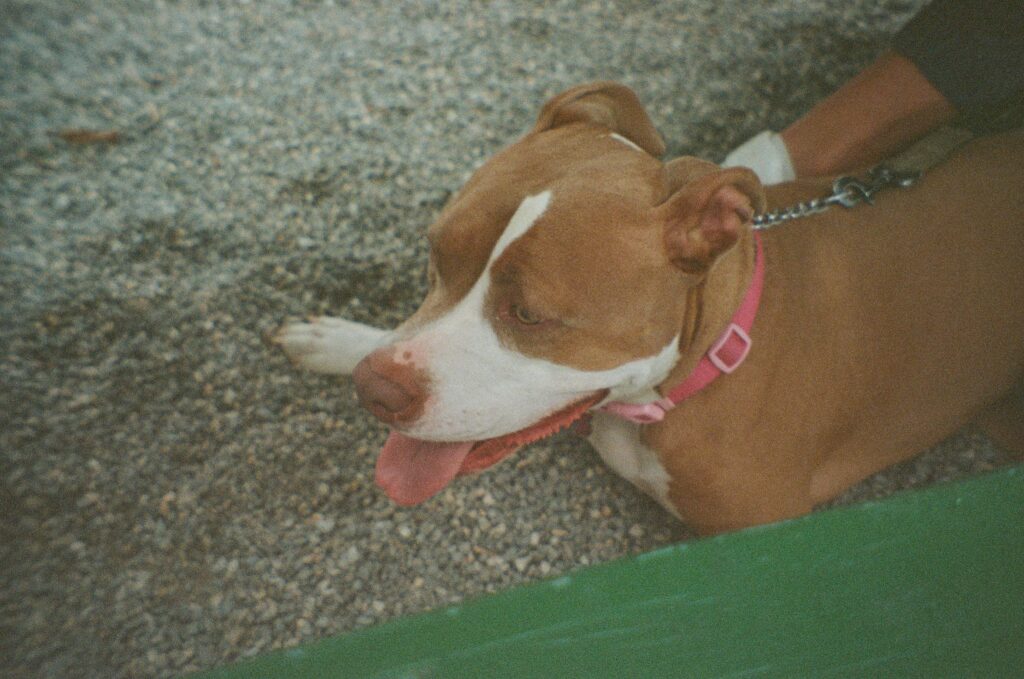
If you’re not familiar, Kodak Ultramax 400 is one of the more affordable film stocks — about $10 a roll. So when I first started, I shot a few rolls of it.
When I got my next few rolls of Kodak Ultramax 400 developed, they didn’t have that same green, extra-grainy look you see in the last photo above. Below are a few edited scans from different Ultramax rolls.
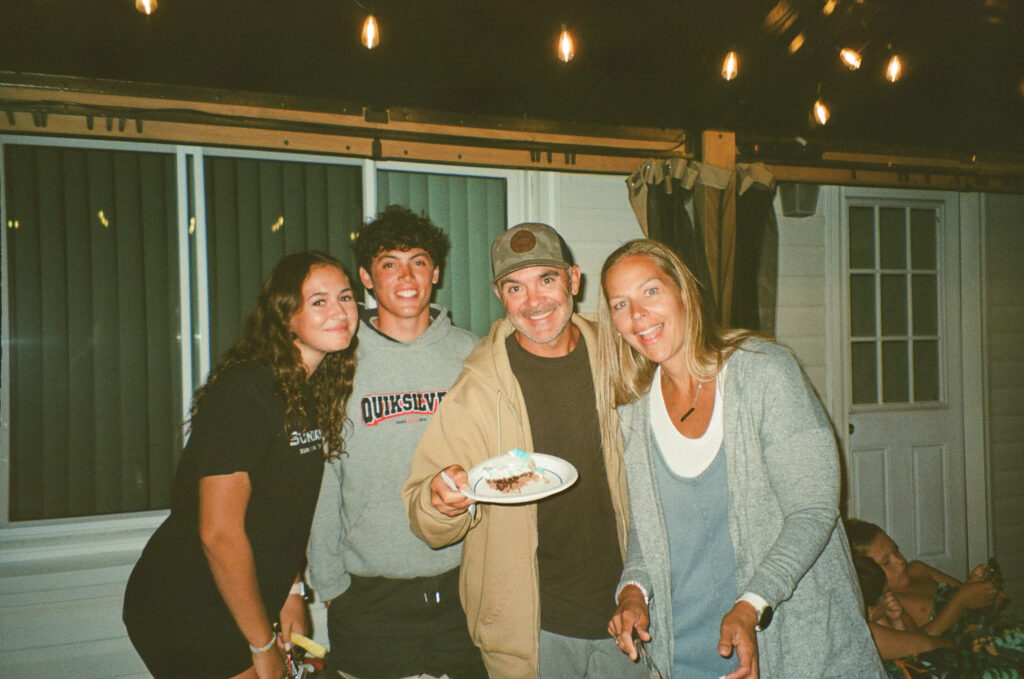
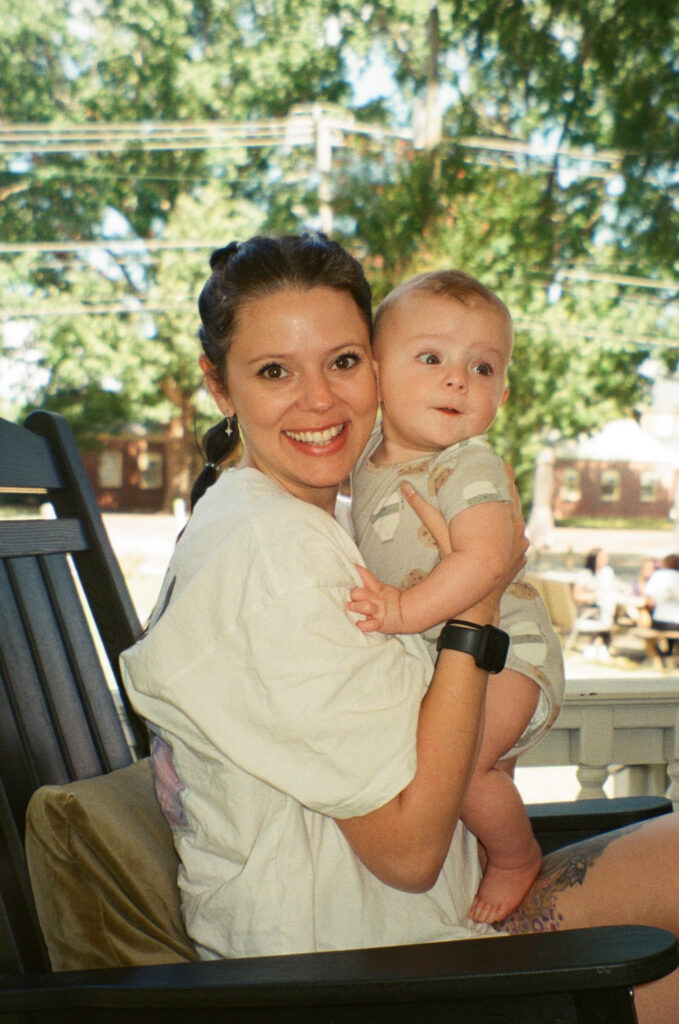

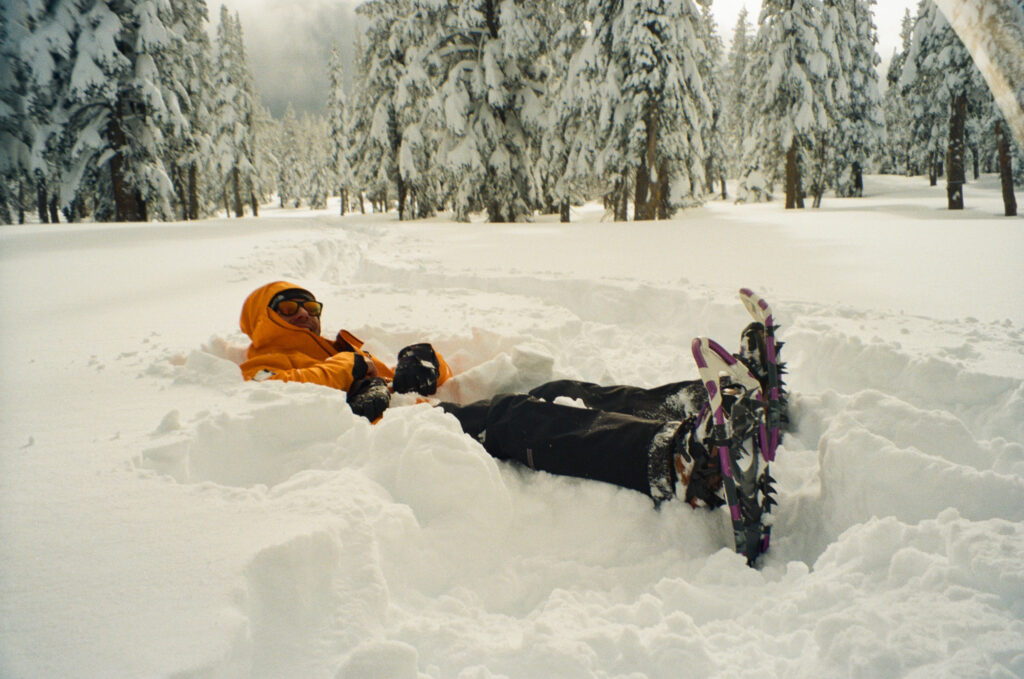
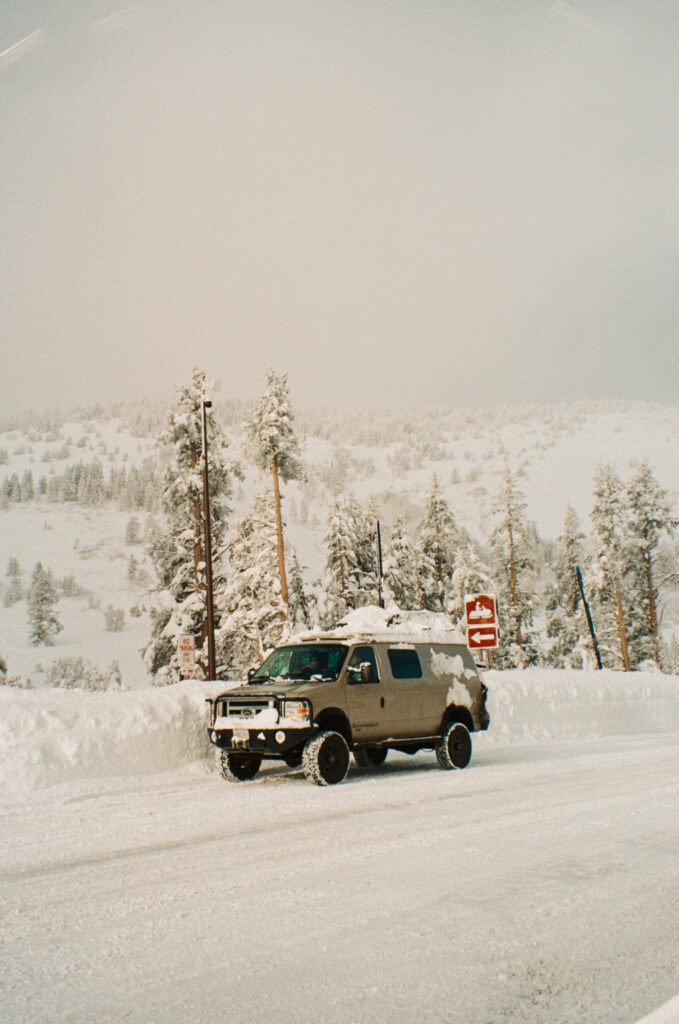
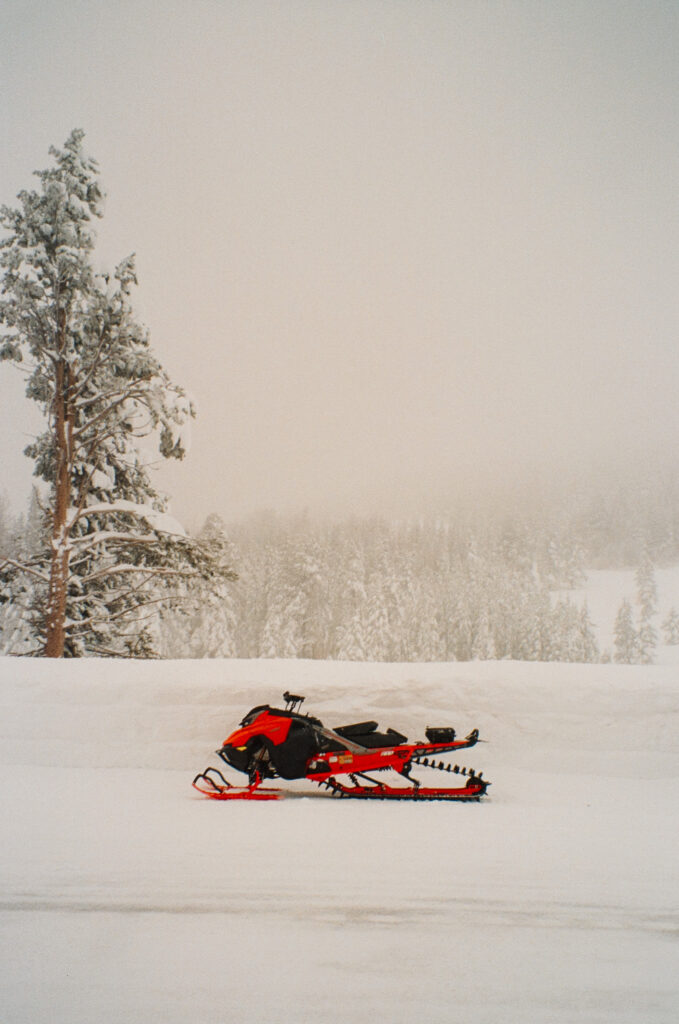
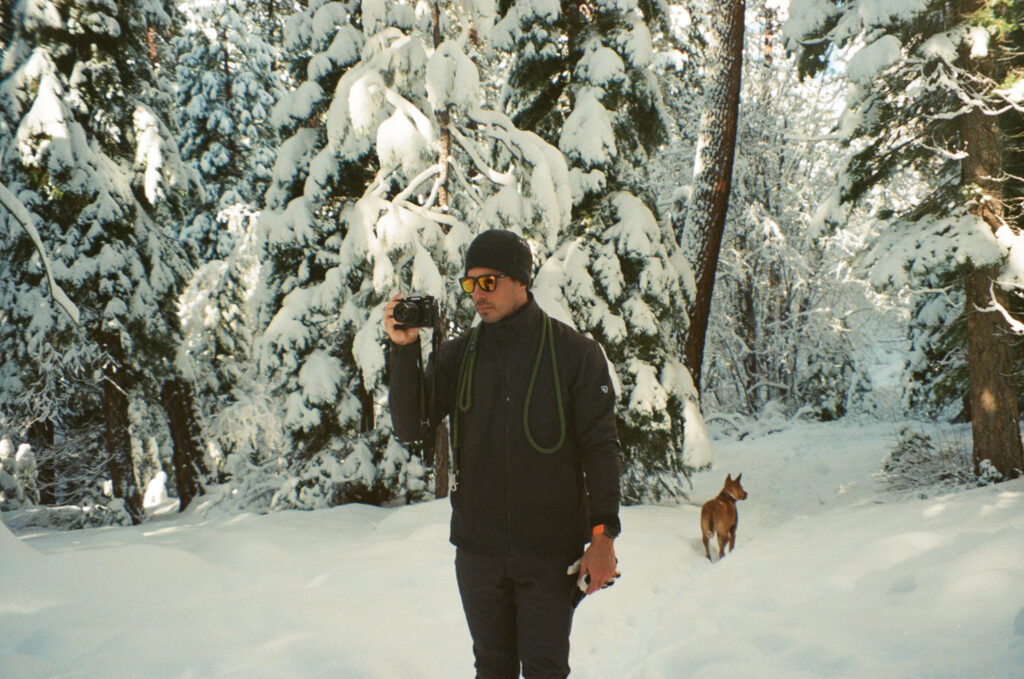
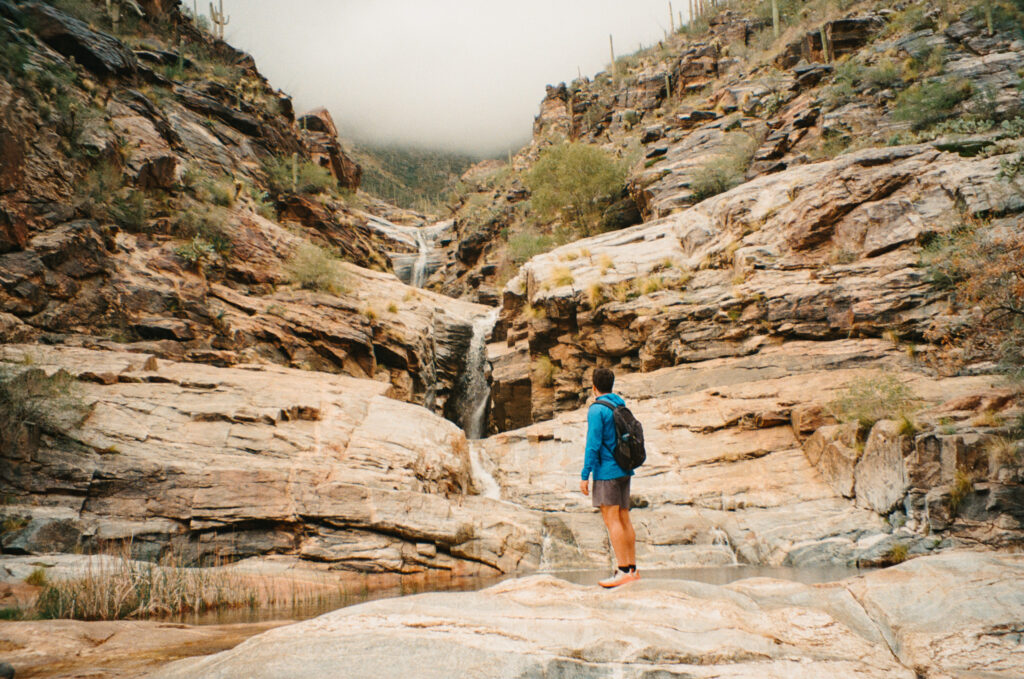
Kodak Gold 200
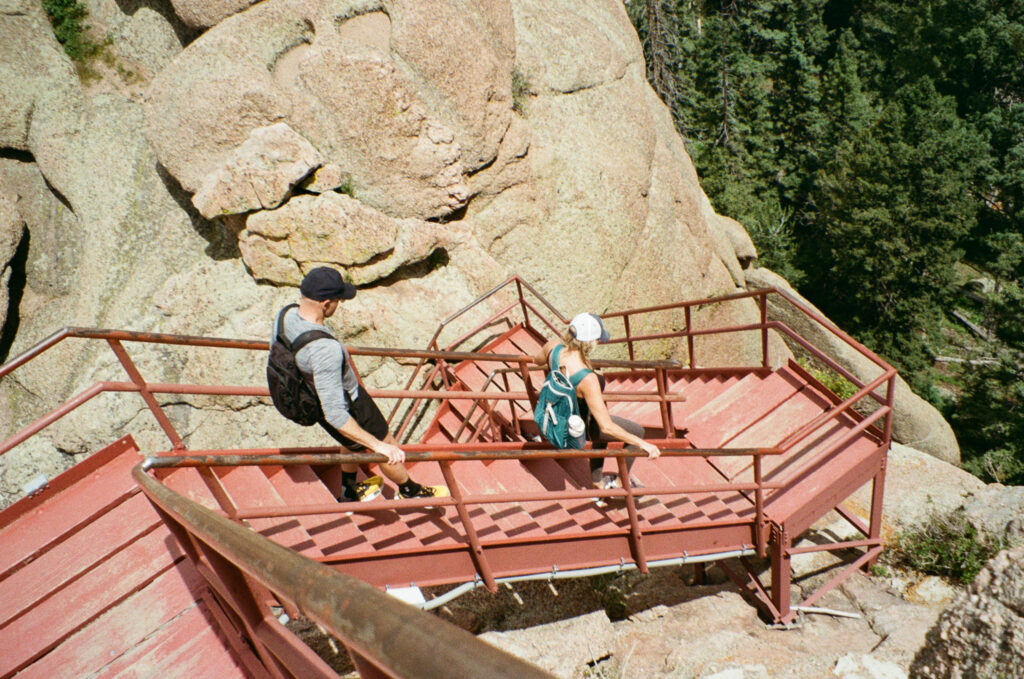
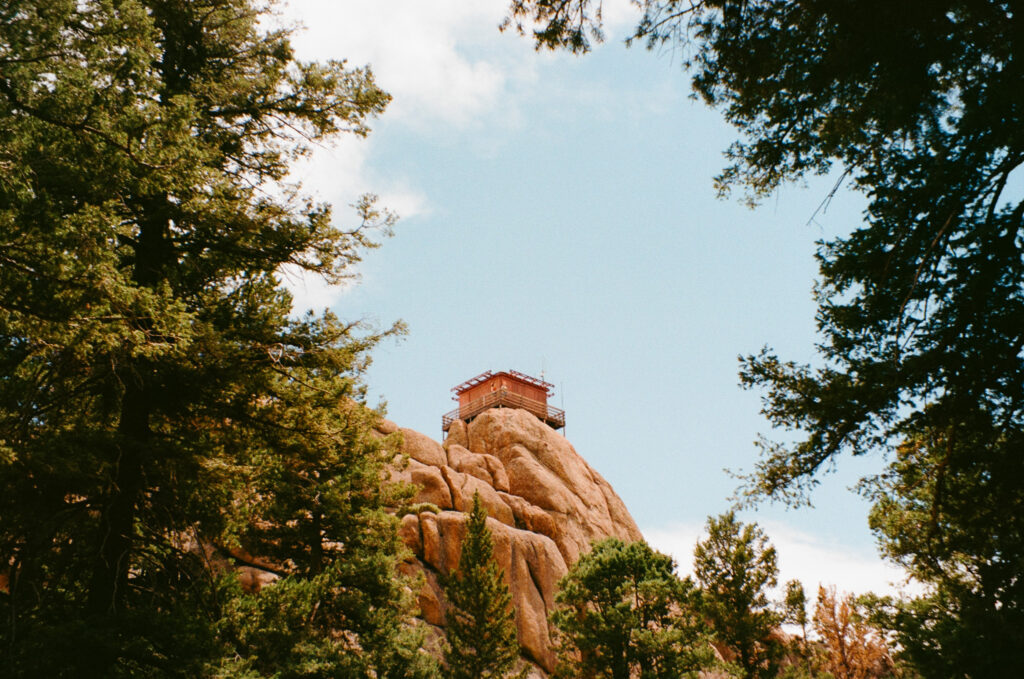
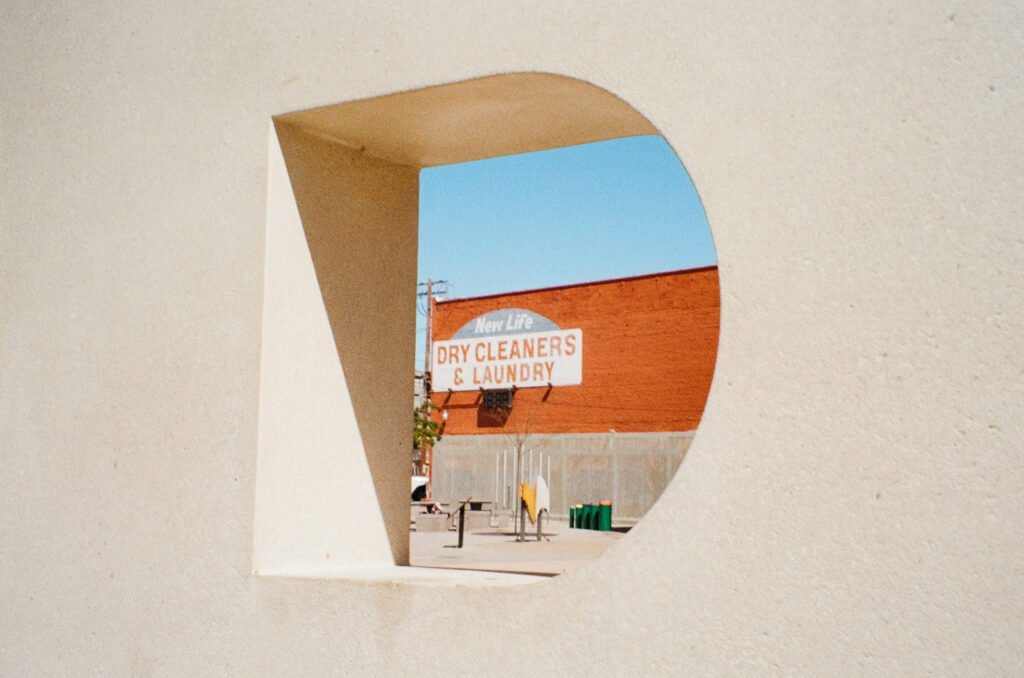
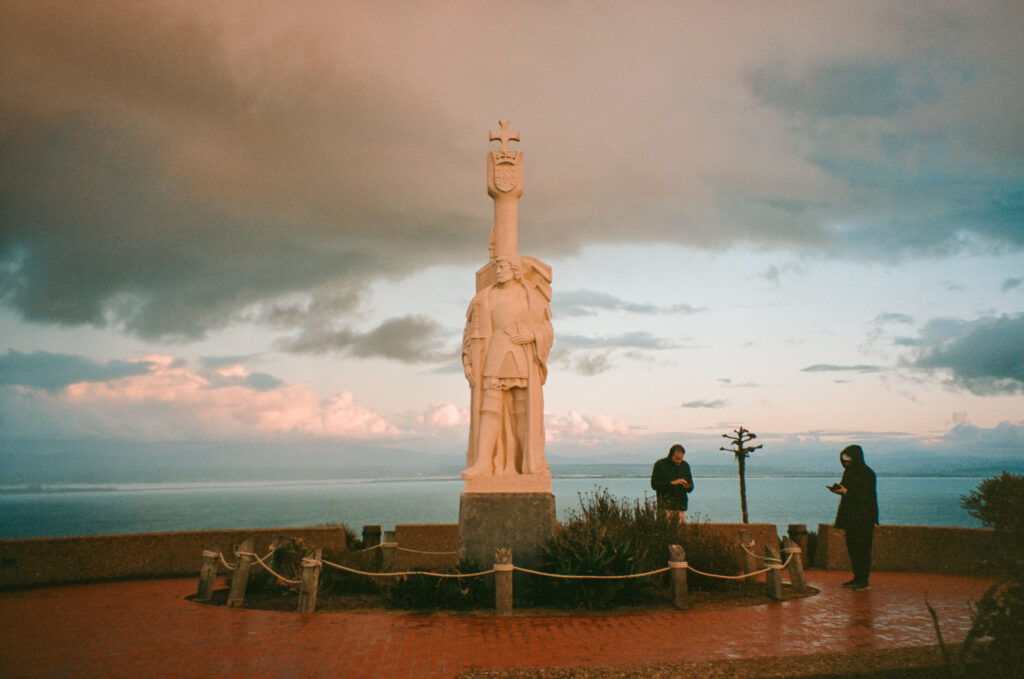
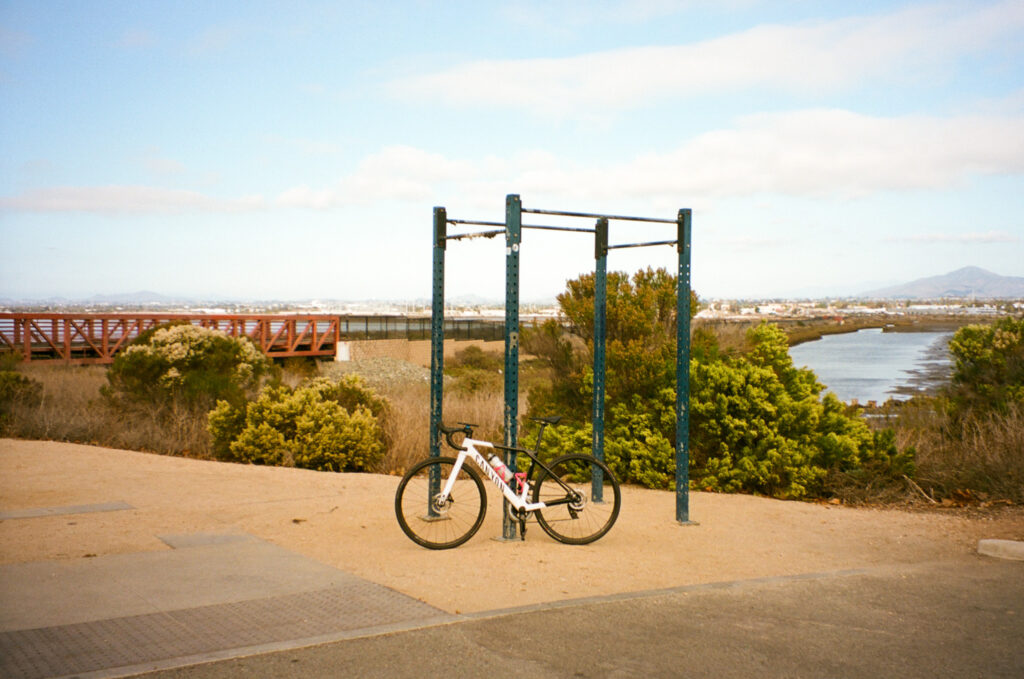
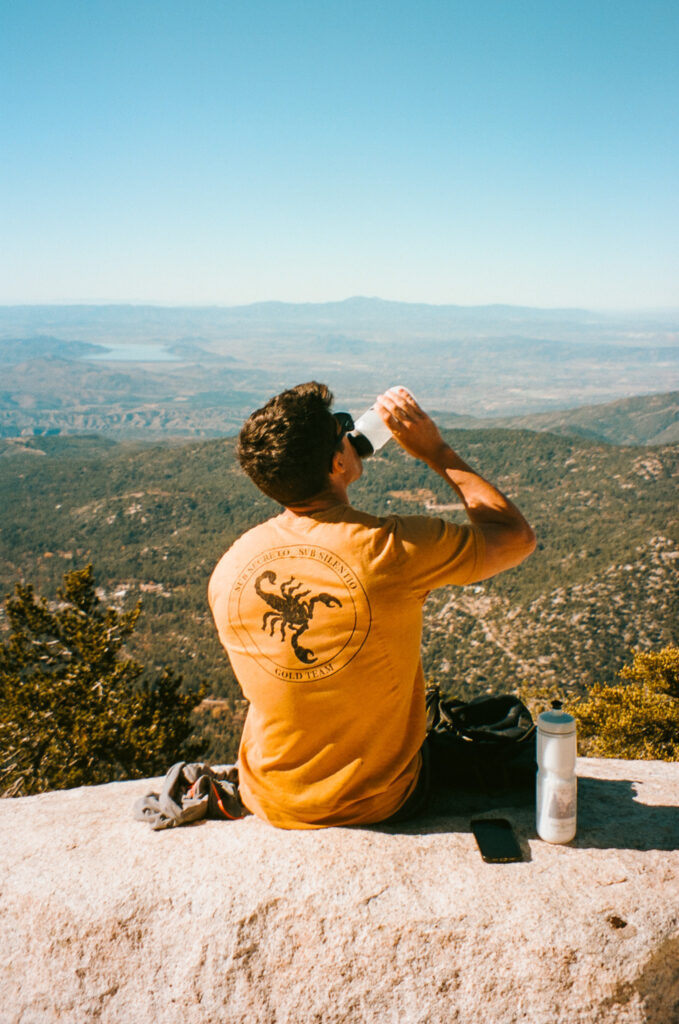
When I stopped by a film shop in Boulder, I was recommended Kodak Gold 200. I figured ISO 200 would work well for most of my outdoor shots in bright Colorado daylight. For some reason, though, a lot of my photos came out a little blurry or unfocused.
I wasn’t a huge fan of my results with Gold 200, but I’ve only tried it once. I would give it another shot in different situations.
Below are a couple of my film scans that actually came out clear. I lightly edited all but the second one in Lightroom.
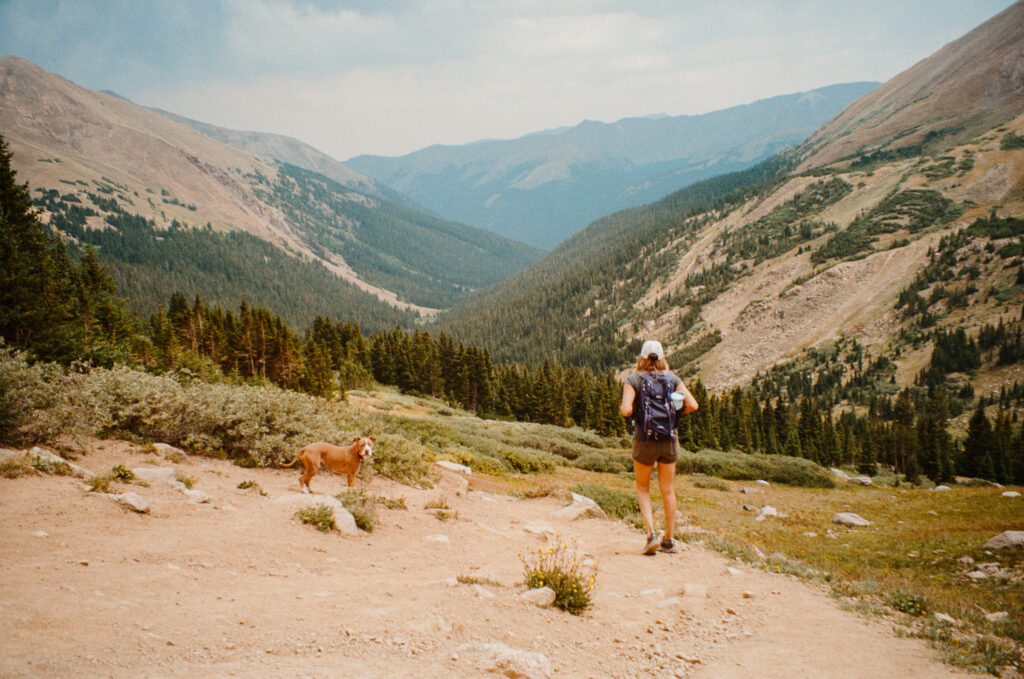
Kodak Portra 160
This is the only professional film stock I’ve used/developed so far. And wow, I love it.
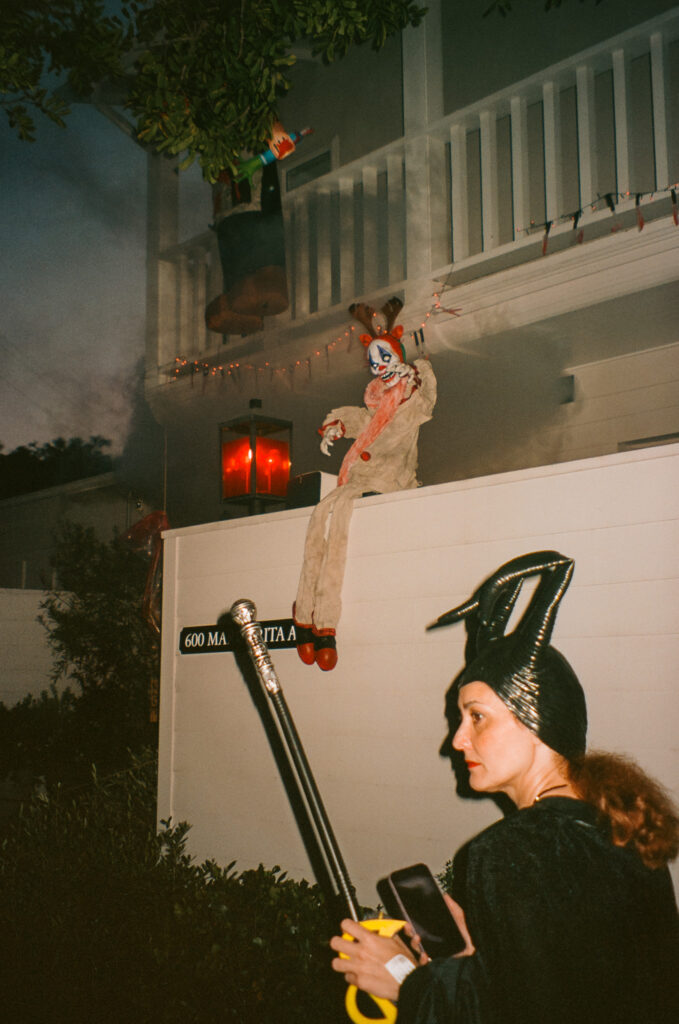
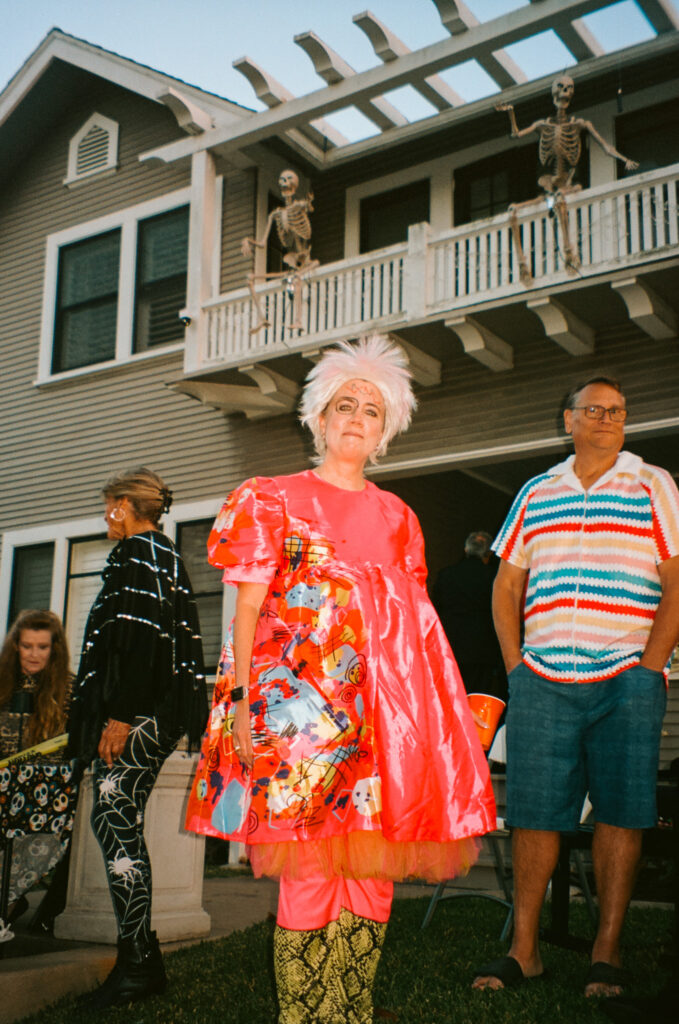
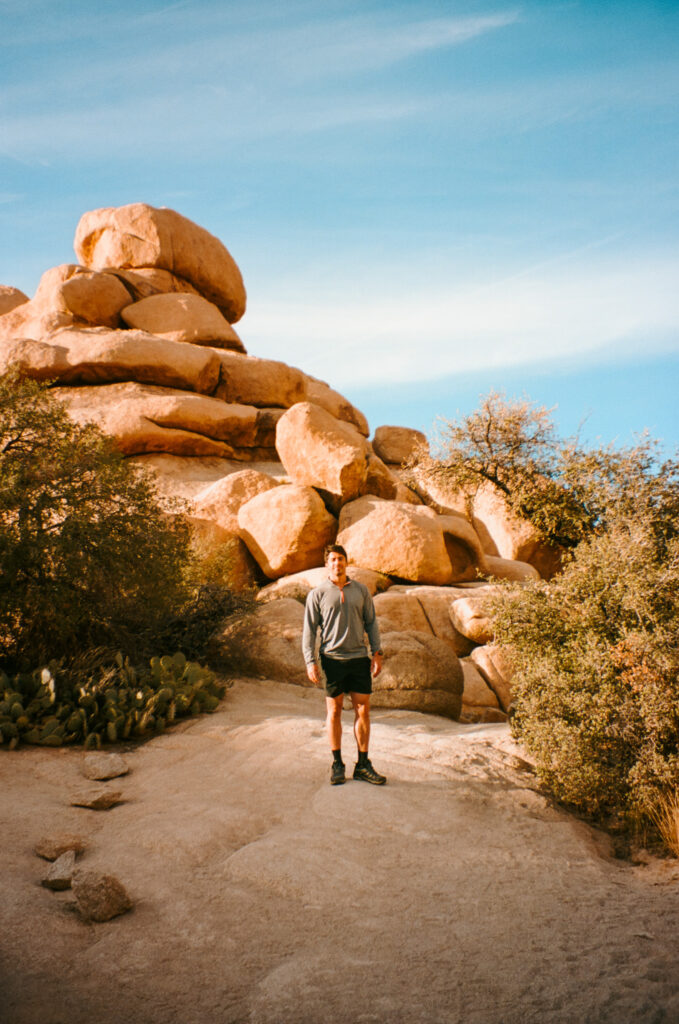
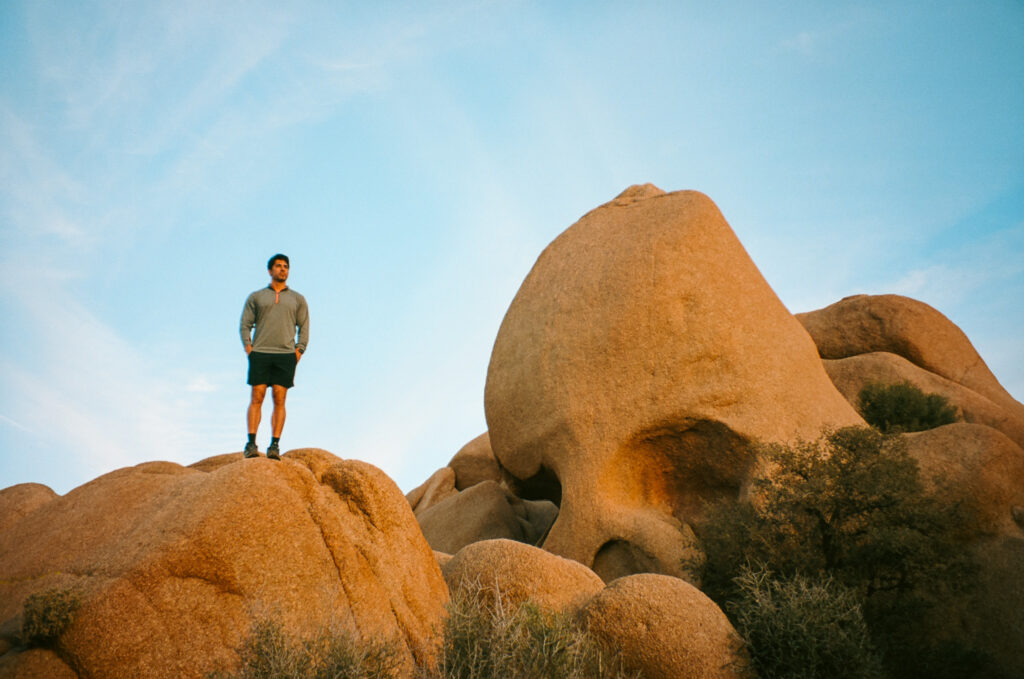
Classically, I put a roll of Portra 160 in my camera, and a few days later, I brought it out on Halloween at dusk. Thankfully, the Olympus Stylus has a built-in flash. I was apprehensive about using it because I thought my photos would be dark/grainy, but they actually turned out great.
I used this film stock both indoors and outdoors, in bright daylight hours, at sunset, and at night, and because I had a camera flash, the photos in all situations came out great (I was surprised).
A couple of things I’ve learned
As I’ve mentioned, this was my first film camera (if we’re not counting old-school Kodak disposables). And I went into it completely blind. It arrived with a roll already inside, so I just started shooting.
I didn’t Google anything… which is unlike me, but it seemed intuitive enough.
That worked… until it didn’t.
After two rolls gave me loading errors, I brought it to my local camera shop and got some pointers.
Here’s what I learned:
- Film canisters have a DX code (the little barcode) that tells the camera what ISO you’re shooting. If a roll of film doesn’t have a code, your point-and-shoot can’t read what ISO you’re shooting at.
- Inside the Olympus Stylus, there’s a small red line that shows how far the film leader should go. Not past it.
- If the film isn’t seated properly, it won’t catch and advance, which is what kept happening to me. I think when I pulled the film out, the canister shifted slightly out of alignment.
Since making sure the roll is properly seated before closing the back, I haven’t had an error. And if you do get an error and the film rewinds all the way back in with nothing sticking out (ask me how I know), you can either Google how to pull it out or ask your local camera shop to help you out (bless George’s Cameras in San Diego).
My Thoughts on Film
I know some photographers who strictly shoot film. And I think that’s incredible.
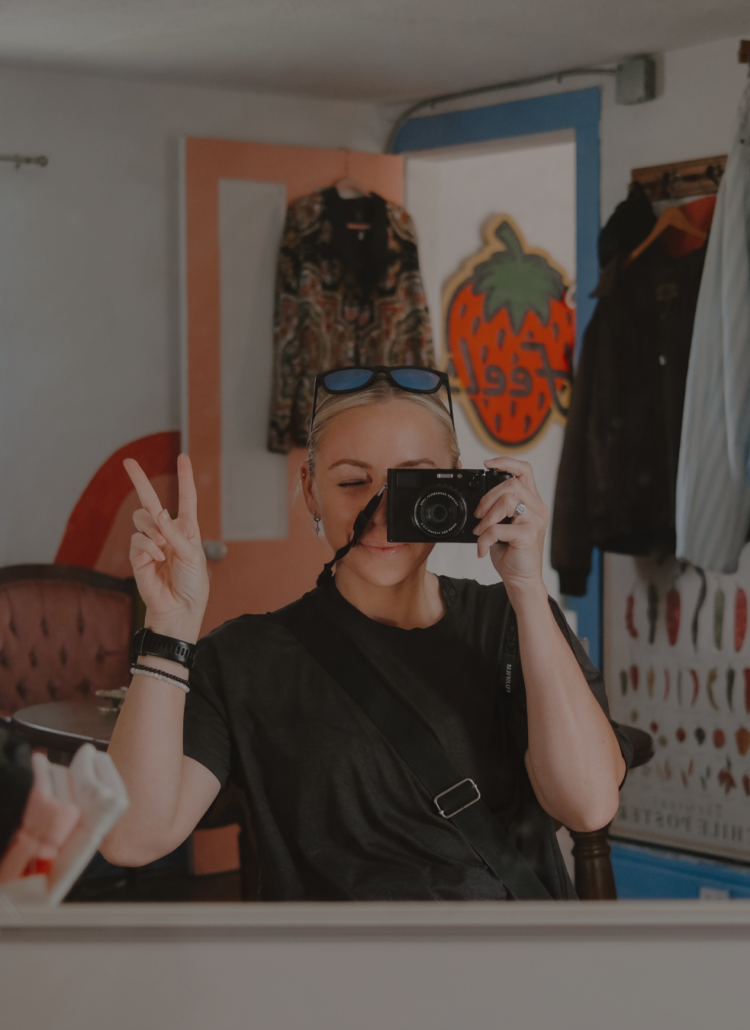
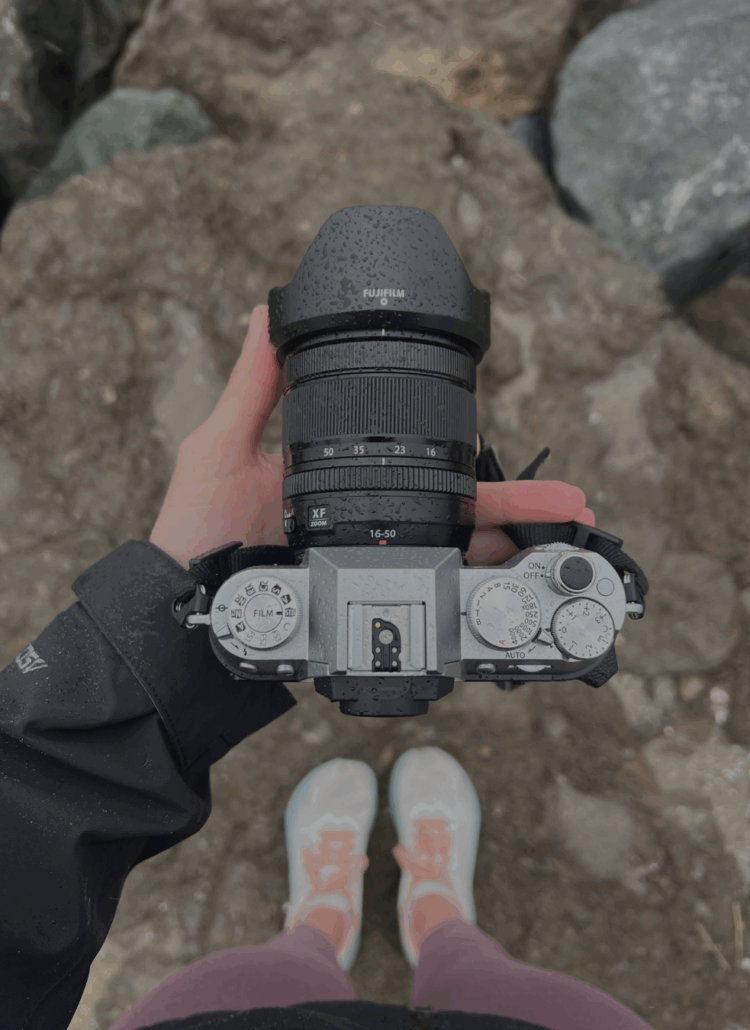
However, I don’t think I could fully make the switch. I love my Fujifilm digital cameras (the Fujifilm X100VI and XT5). I prefer seeing what I’m capturing in real time, being able to upload photos immediately, and occasionally checking to make sure I got the shot before moving on.
On a film camera, you won’t know if you got it right until you develop it. And I know that’s part of what makes film so special. It’s such a treat to collect small moments intentionally on your camera and wait to see them sometimes months later. It’s fun, yes, but I don’t think I could use film for anything other than personal work right now. It feels like there’s too much uncertainty with it.
My number one hesitation with film is that I’m taking pictures on a film camera, just to have them scanned and turned into digital files. If I wanted to print large images, then maybe film would make sense. But I haven’t. So it just seems like a little bit of a waste to me. I’m not sure if the shooting experience is worth the cost per picture for me.
To help myself explore this question, I started taking the same picture with my Olympus Stylus and Fujifilm cameras to see which I liked shooting with more and what results I liked better.
Film Versus Digital Photos
Some film pictures have a feeling to them that digital just doesn’t. It’s not every picture I take, but when I get it right, I completely understand film’s hype. Other times, I don’t.
As a test, I’ve taken the same picture with my film camera and Fujifilm camera to see their differences. Below are two unedited photos taken at the same spot. One was taken with the Olympus Stylus + Ultramax 400 and the other with the Fujifilm XT5 using Fuji X Weekly’s Portra 800 v3 recipe.


As you can see, there isn’t a huge difference. The Olympus Stylus image has a bit more grain, and the Portra 800 v3 recipe is slightly warmer. The different focal lengths also shift the feel — my Fujifilm X-T5 looks a little more compressed. But if I’m choosing? I prefer the Fujifilm photo.
Below are two images with minor edits. These were shot at nearly the same focal length (about 37.5mm on the Olympus Stylus and 35mm equivalent on the Fujifilm X100VI), and the differences are subtle.
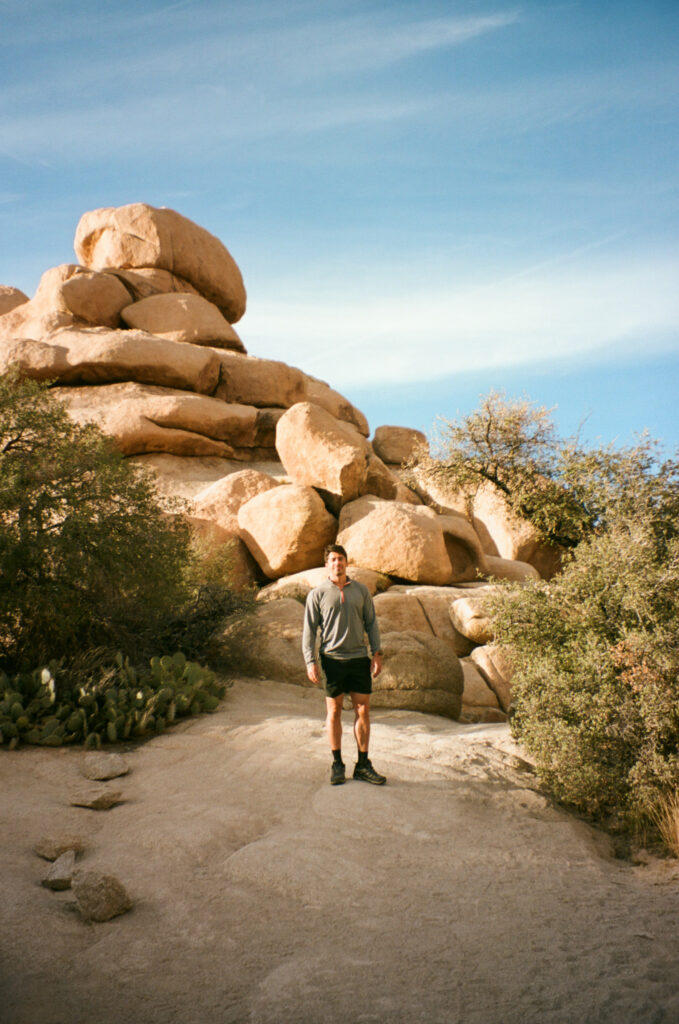

Surprisingly, I like both Fujifilm pictures better, mostly because the image holds up better when you zoom in. I wouldn’t have guessed that would be my experience. Film is fun, yes, but I still prefer digital for most of what I shoot because of the instant feedback, flexibility, and convenience.
If you want a more analog experience (a trending theme in 2026?) and to really live in the moment with a simple camera, film is the way to go. Even if the results don’t always turn out as you’d expect.
Recommended read: How the Fujifilm X-T50 has changed my photography
Final Thoughts
I’m glad I finally scratched the film itch I’ve had for years. It has definitely slowed me down and made me even more intentional with my shutter than my Fujifilm cameras have. And I think I needed that. But I don’t think I could make the switch to shooting only film. My film camera feels like a creative tool in my box that I can use occasionally, but not something I’d use for everything.
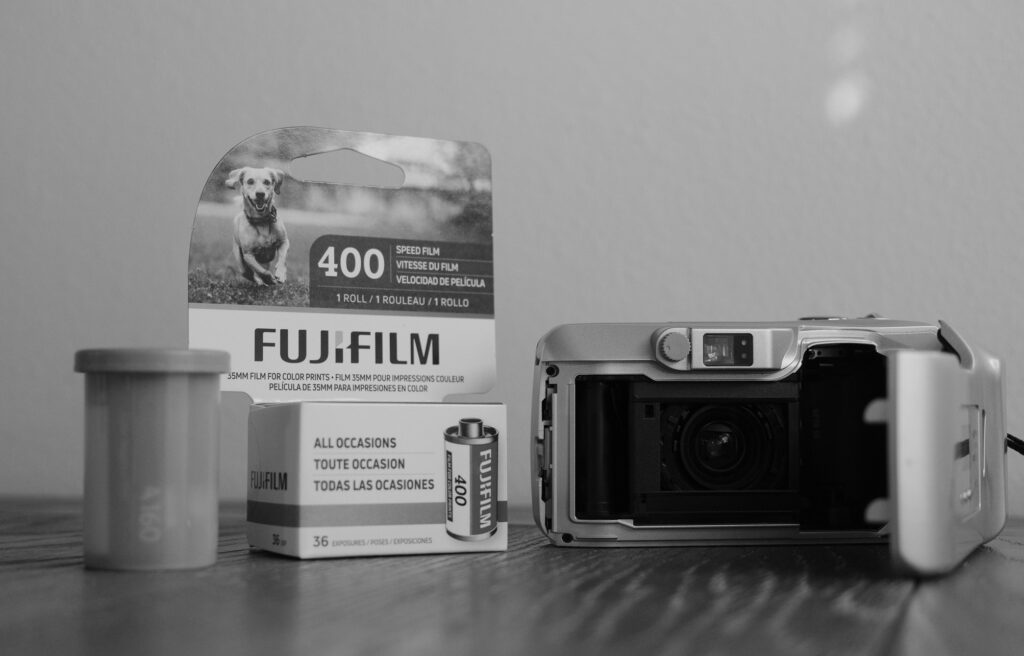
I’ll definitely continue carrying my Olympus Stylus everywhere with me in my purse alongside my Fujifilm camera. It’s fun to break out when the moment calls for it.
I’d still like to try a film camera that offers a little more control to see if that makes a difference in quality and/or how I feel about the whole process. I feel drawn to both the Canon AE-1 Program and the newer Pentax 17. But I’m still not sure if it’s the right move.
I’d love to know what film cameras you love and would recommend in the comments!

What an awesome post, Mekenna.
I started my photography journey in 1980 when I became the proud owner of an Olympus OM-10 SLR. My friends were all into photography and had similar cameras. I took a college course in photography, in which I learned to develop film, dodge, burn, and print. It was a fun class. I wanted to love photography. The problem was – I sucked.
For *me*, the delay in processing film meant I never leaned from the mistakes I was making in exposure, composition, etc. I should have been writing things down, and trying harder, but it just never clicked (pun intended). The culmination of my suckage came when my friend’s sister asked me to take candid shots at her wedding. All fun and games until I realized I hadn’t loaded my film correctly, and all the shots I attempted that day were never translated to the film in the camera.
For me, digital photography couldn’t come soon enough. Instant feedback! I have owned a digital camera since about 2003, and I have enjoyed steady improvement in my photography over the years.
I’ve been watching many others, and now you, embracing film again and think maybe, just maybe, I should give it another go. Maybe it’s time to make a few competent photos with a film camera again and achieve some closure.
Thanks for making me think about it.
James!! This is the best.
An Olympus OM-10 and a darkroom class?? That sounds so cool.
I’m with you. It took me way longer than I’d like to admit to understand the exposure triangle on my DSLR when I was a teenager. I don’t know if I would’ve stuck it out if I’d started on film. I can’t imagine waiting weeks (or months!) to see if you got the shot right as a beginner.
And hahaha — the “culmination of my suckage”… the best of times, the worst of times.
I completely agree about digital. Even moving from DSLR to mirrorless felt like a huge leap for me. Seeing your exposure in the EVF makes life so much easier!
Film really is having a resurgence right now. I took the “easy” route with a point-and-shoot and still messed up shots, so you’re in good company. lol
If you decide to give it another go, I would love to see what you create!!