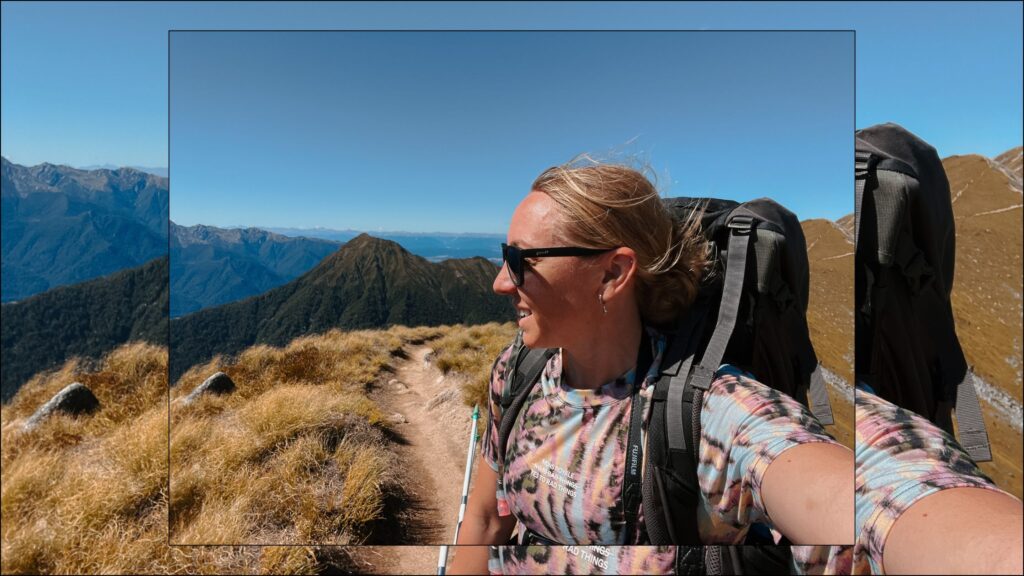
Thinking about buying the XT50, but worried because the Fujifilm XT50 is not weather-sealed? You’re not alone. That was my biggest hesitation, too.
After months of using this camera in all kinds of conditions, I’ve learned how it holds up without weather-sealing. And I’m sharing my experience so far with you in this post.
What is weather-sealing?
Weather-sealing means a camera has extra protection to keep “weather” (aka dust and moisture) from sneaking inside.
It doesn’t make the camera waterproof or safe to dunk in water, but it does give you more confidence when shooting in challenging conditions.
The real benefit? Peace of mind. With a weather-sealed camera, you don’t have to think twice about pulling it out in rain, snow, humidity, or dusty environments.
Since the Fujifilm XT50 isn’t weather-sealed, it’s fair to wonder how it might perform when the weather isn’t perfect.
My concerns before buying
As someone who loves outdoor adventures, the lack of weather sealing scared me. I want the freedom to take all my cameras on trails, into the snow, or out on a rainy travel day without a second thought.
For years, I used a dependable and compact weather-sealed Sony. That camera went everywhere with me. I beat it up, and it never failed me. But eventually, my Sony started to feel uninspiring. Technically, it worked great, but it felt like using an advanced computer, not an artistic tool, and I didn’t feel excited to pick it up.
So when I considered switching to Fujifilm and the XT50, I hesitated. The XT50 had everything I was looking for except weather-sealing.
The reality, though? Since moving back to the U.S., most of my photography has been less extreme. I use my camera to document everyday life, my Coronado photo project, and occasional trips to nearby cities.
And living in San Diego, where it’s almost always sunny or just a little gloomy, weather-sealing wasn’t a dealbreaker.
Still, I couldn’t shake the concern: What if I travel somewhere cold, or get caught in a downpour? Would the XT50 survive?
Recommended read: Why I Got a Fujifilm X-T50 (and not an X-T5)
Using the Fujifilm XT50 in weather
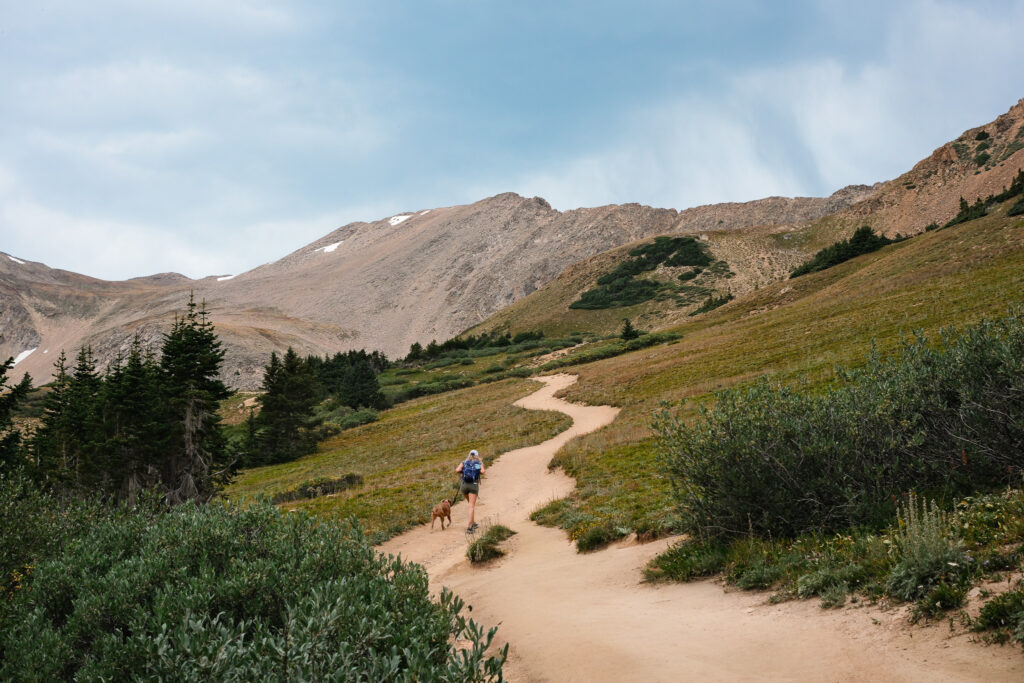
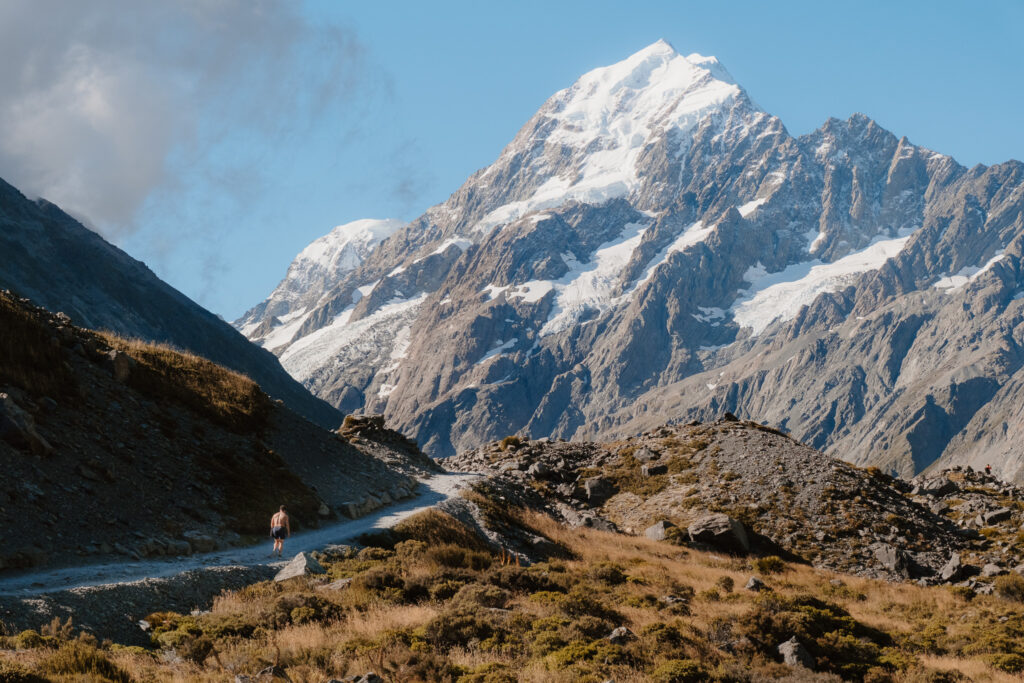
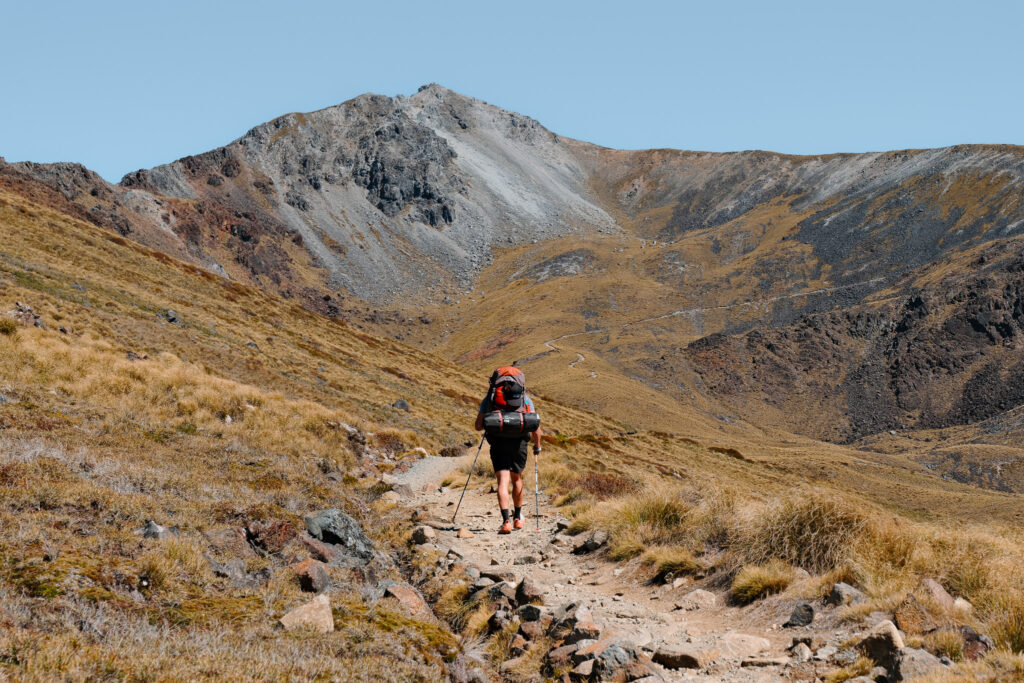
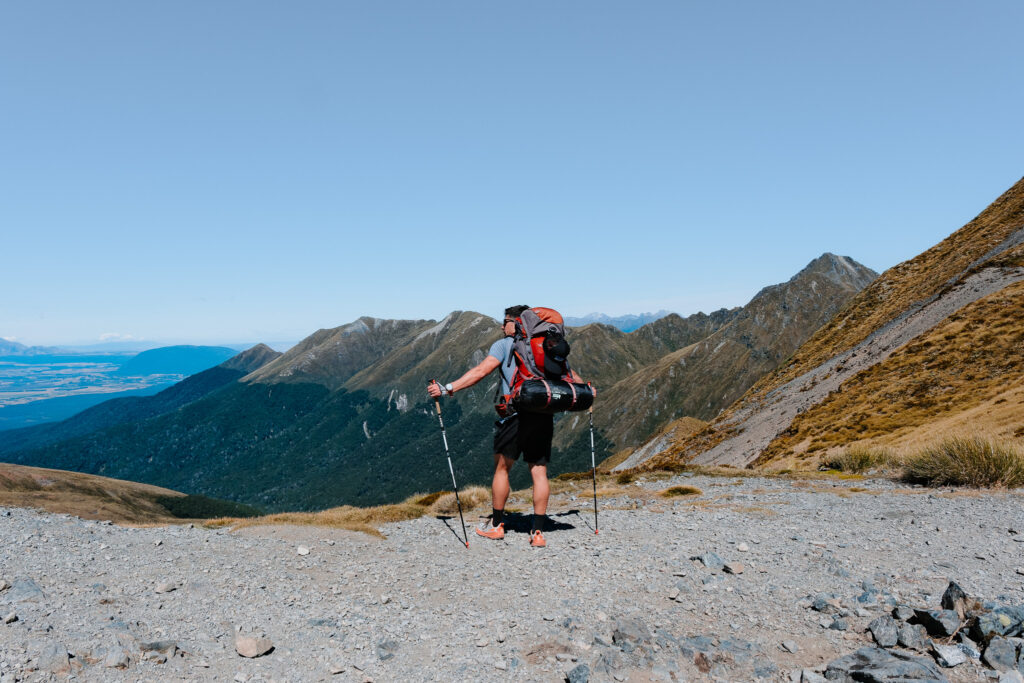
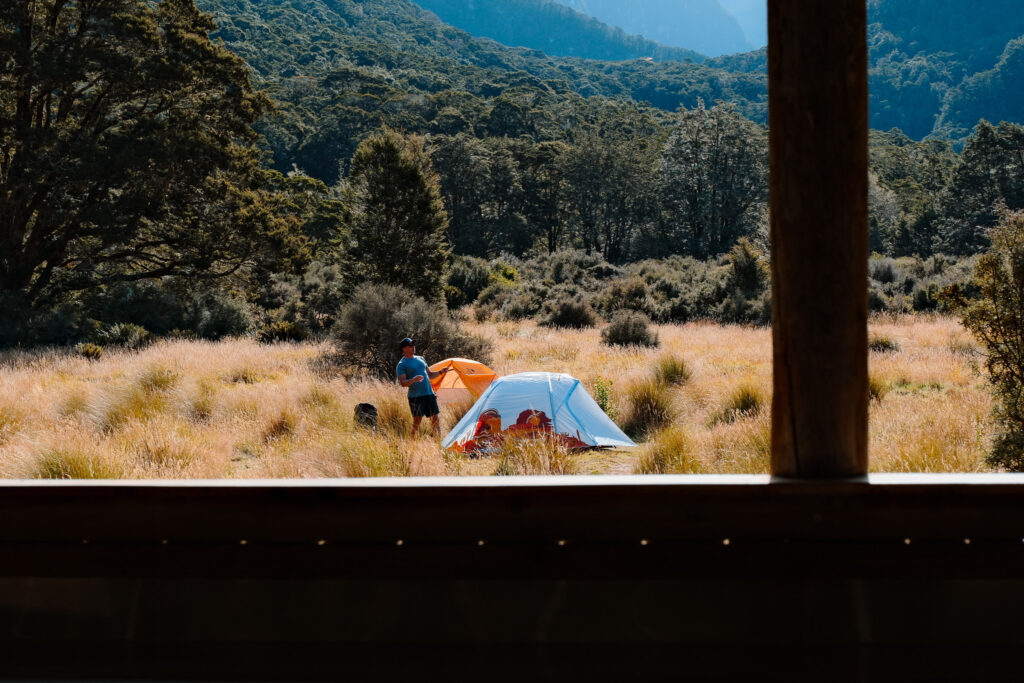
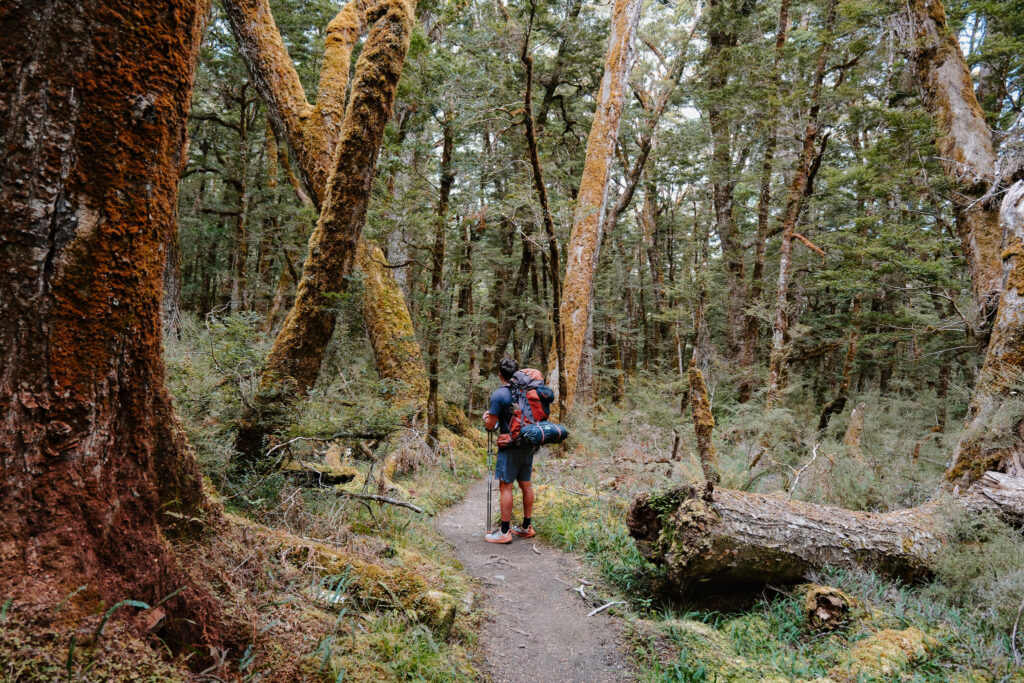
I’ve had the Fujifilm XT50 for over eight months now, and I’ve tested it in just about everything: rain, snow, humid hikes, at the beach, and on overnight backpacking trips.
So far? No problems. The camera has held up way better than I expected.
Below, you’ll see example photos from different weather and tips for how I shoot safely in it.
Recommended read: How the Fujifilm X-T50 has changed my photography
Hiking with the Fujifilm XT50
On hikes, I usually carry a crossbody camera bag so I can tuck the XT50 away when I’m not using it. It keeps the camera safe from dust and dirt.
If you’re carrying a book bag when the weather is clear, I recommend using this handy dandy camera clip. It makes carrying a camera while hiking so much easier.
Using the Fujifilm XT50 at the beach
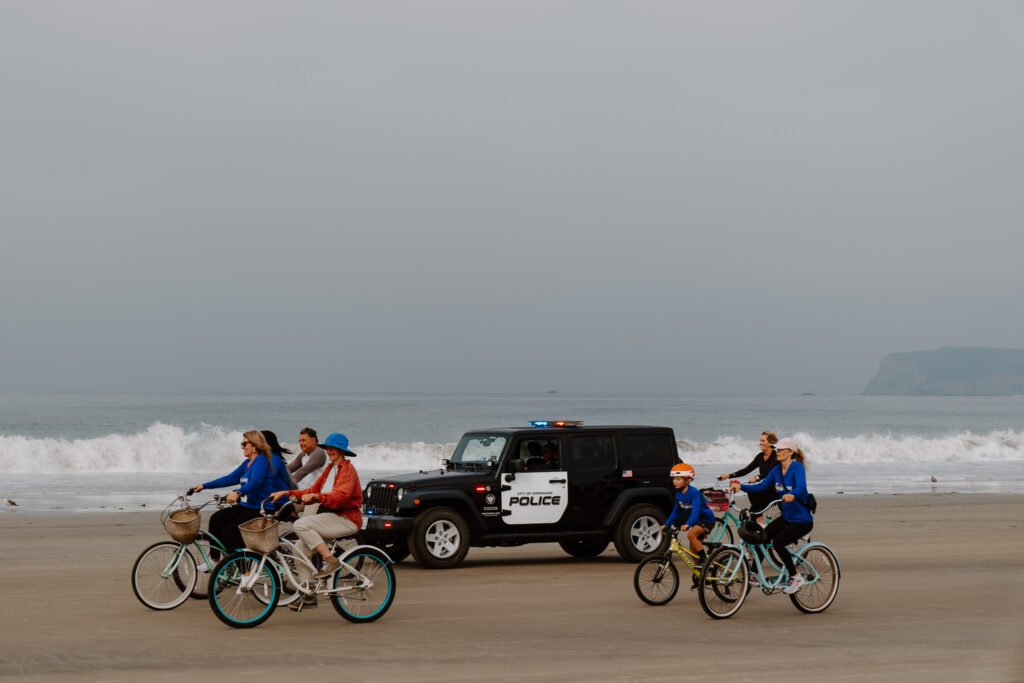
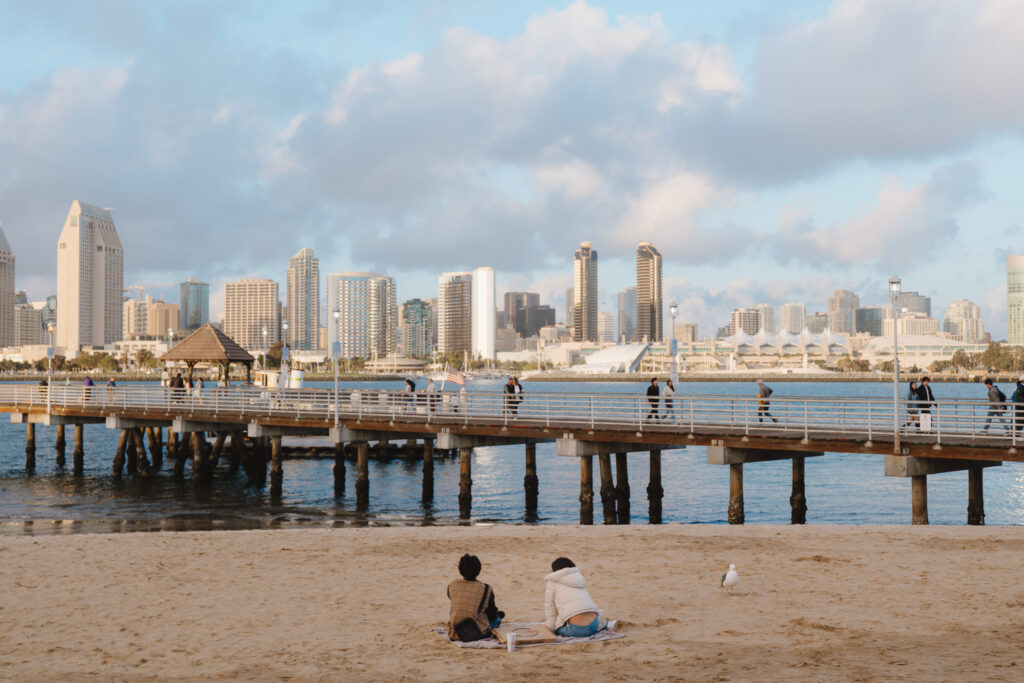
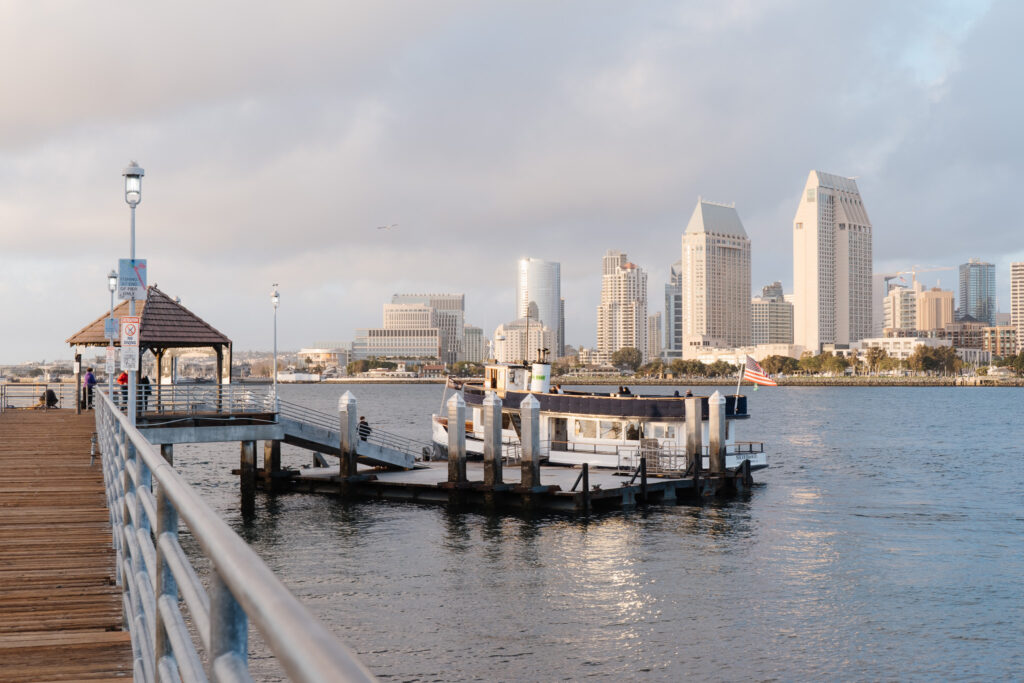
I haven’t used the XT50 for lounging on the beach, but I’ve taken it on beach walks and shot near the water and sand.
I’m extra careful about sand getting on the lens, and I always clean it afterward. So far, I’ve had no issues with ocean spray or walking on the sand.


Using the Fujifilm XT50 in the rain
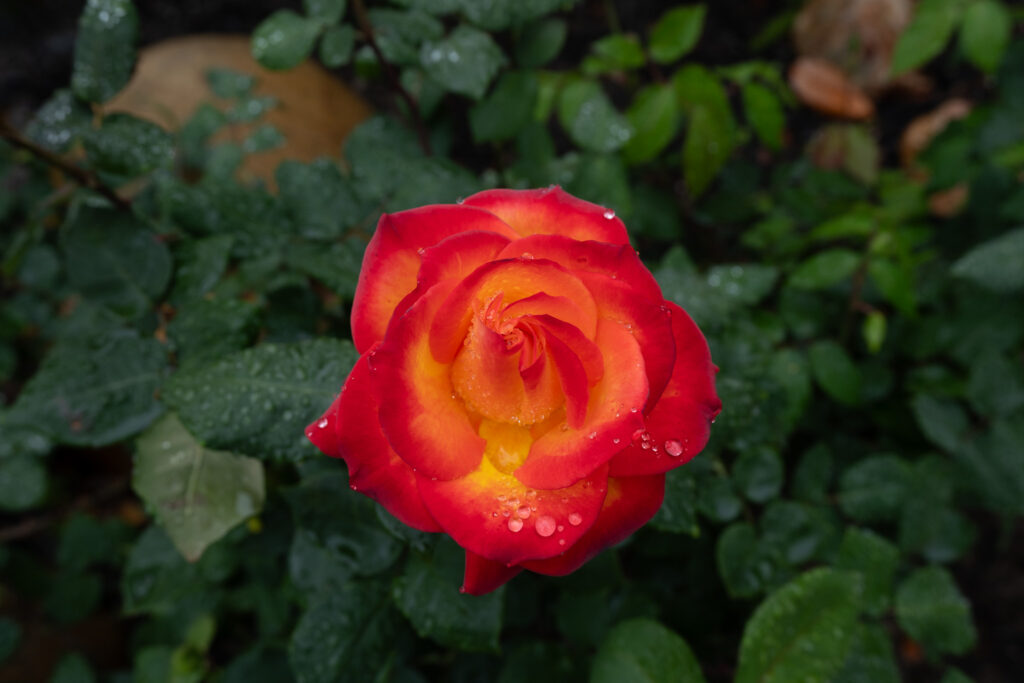
I usually do the following in the rain: (1) In light drizzle, I pull out my camera for quick shots, then wipe it down, and tuck it back in my waterproof bag, and (2) For heavier rain, I usually avoid using my camera unless I have an umbrella or a rain cover.
For the XT50 specifically, I do not regularly use it in the rain. However, I have used my XT50 a few times in light rain. One time, a lot of drops landed on the camera when I took it out of my camera bag, but thankfully, it was fine after I wiped the water off. It’s not worth the risk for me!

Using the Fujifilm X-T50 cold/snow
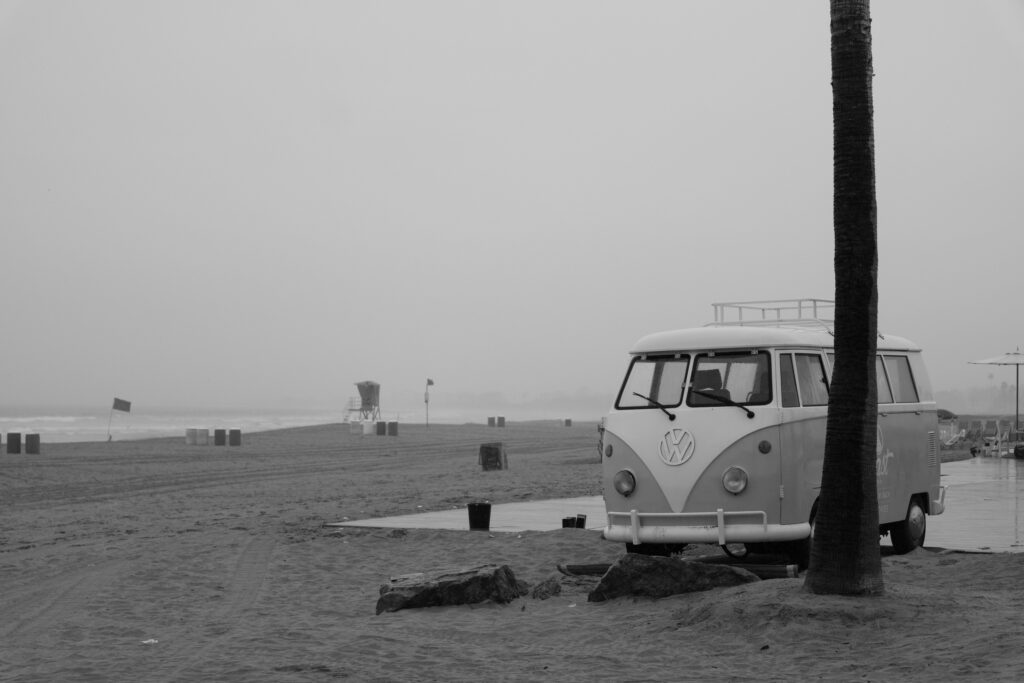
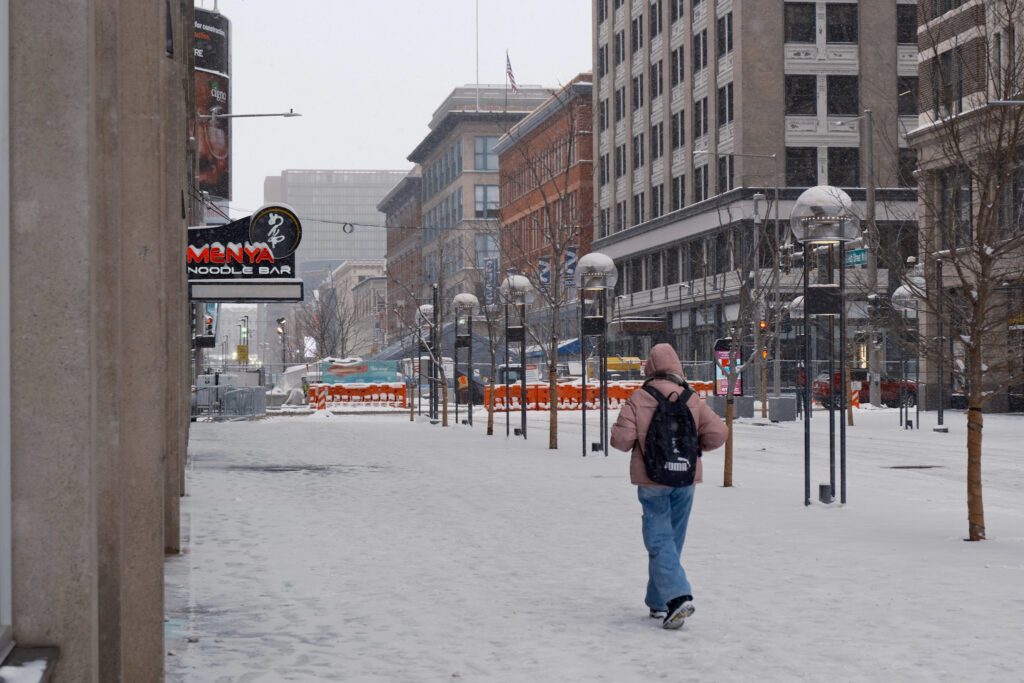
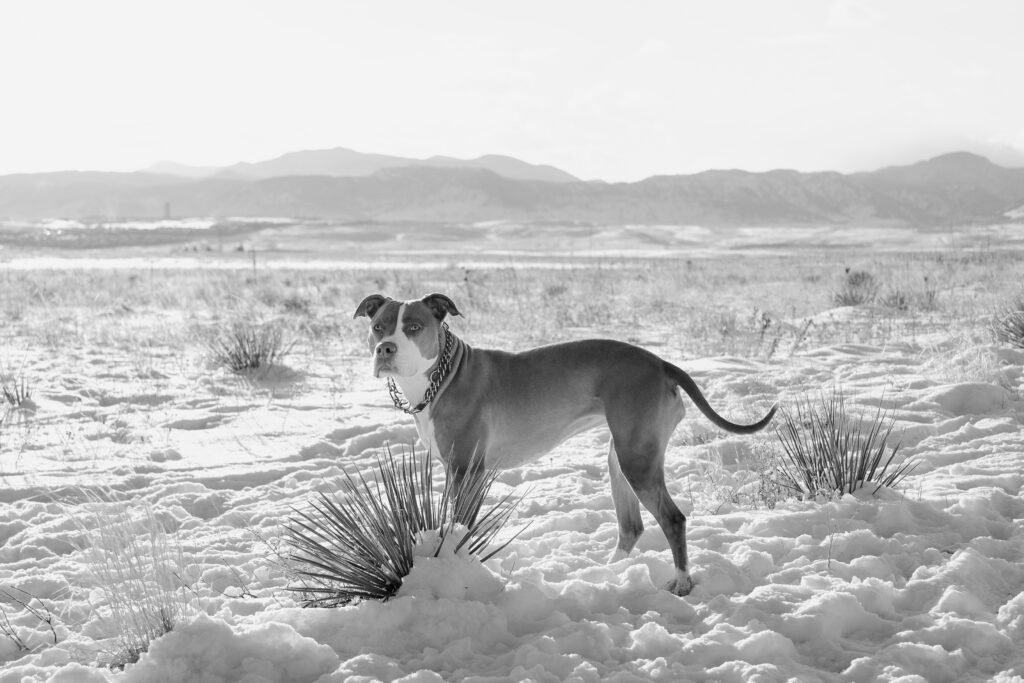
In light snow, I’ve taken it out briefly, and even had a few flakes land on the camera. It handled both with no problems.
In colder temps (20–30°F), I keep the XT50 in a padded bag when moving between indoors and outdoors. I also let it sit for about 20 minutes before taking it out of the bag at home to avoid condensation.
The downside of no weather-sealing
The hardest part about having a non-weather-sealed camera is the little nagging voice in the back of your head asking, “Am I about to ruin my camera if I use it right now?” If the weather looks questionable, I sometimes second-guess pulling it out.
But the truth is that even weather-sealed cameras can fail if you push them too far. And so far, the Fujifilm XT50 has held up just fine for me. As long as I use common sense, like keeping it tucked in my bag during heavy rain or when I’m not shooting.
Is no weather-sealing a deal-breaker?
If you’re mainly documenting your life, travels, and everyday adventures — and you’re not constantly out in crazy, wet, unpredictable weather, then no. You will be just fine with the X-T50. I’ve taken mine through rain, snow, humidity, beach walks, and long hikes, and it’s handled it all without a problem.
But if peace of mind is super important to you, or if you spend most of your time shooting in extreme conditions, then yes, I’d suggest looking at a weather-sealed option like the Fujifilm X-T5.
For me, the XT50 was absolutely worth it, and it proved it could handle more than I expected. But after about eight months of use, I ultimately decided to switch cameras, not because the XT50 let me down, but because I wanted the extra peace of mind (and to move past a few frustrations I had with the camera).
Recommended read: I Love the Fujifilm XT50 — But These Things Frustrate Me
Final words
Yes, the Fujifilm XT50 is not weather-sealed, and yes, that made me hesitate to buy it. But after eight months of real-world use — in rain, snow, humidity, beach walks, hikes, and even backpacking trips — it’s proven more durable than I expected. With a little common sense and care, it handles everyday adventures just fine.
For most people who use their camera to document life, travel, and creative projects, the XT50 will hold up without issue. But if peace of mind is a top priority, or you regularly shoot in unpredictable, rugged conditions, a weather-sealed camera like the Fujifilm XT5 might be a better fit.
If you’re new-ish to photography and stuck shooting on automatic mode, check out my self-paced 7-step program below!





Super-Duper site! I am loving it!! Will be back later to read some more. I am bookmarking your feeds also.
Thank you so much for your kind words! I can’t wait for you to read more. 🫶