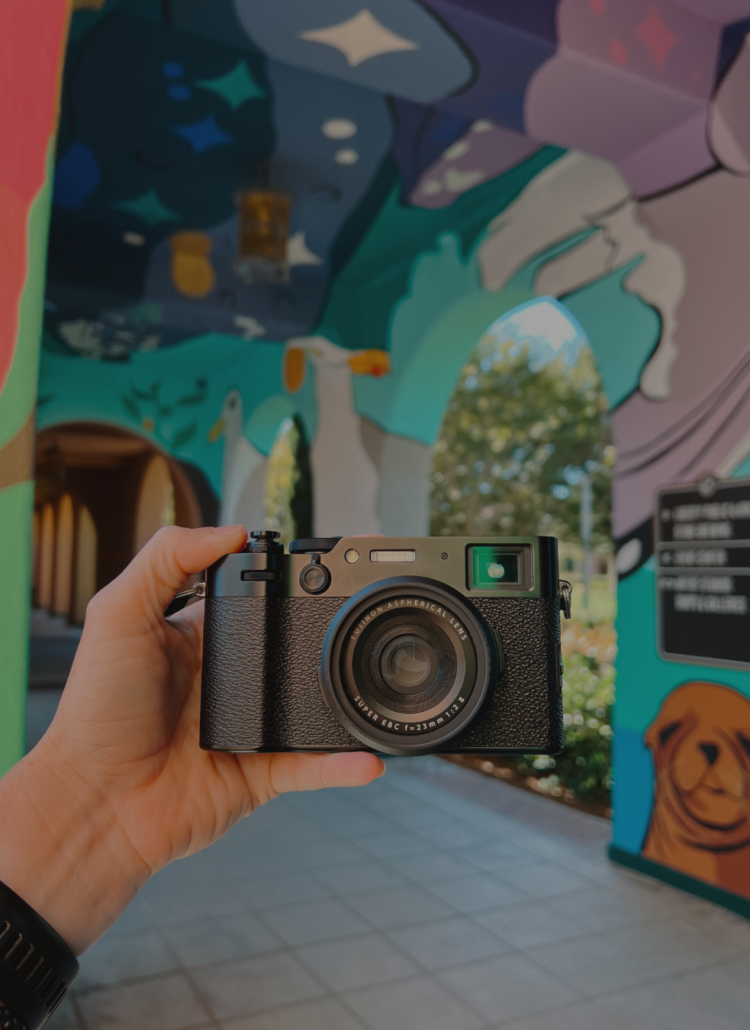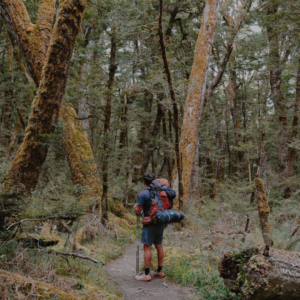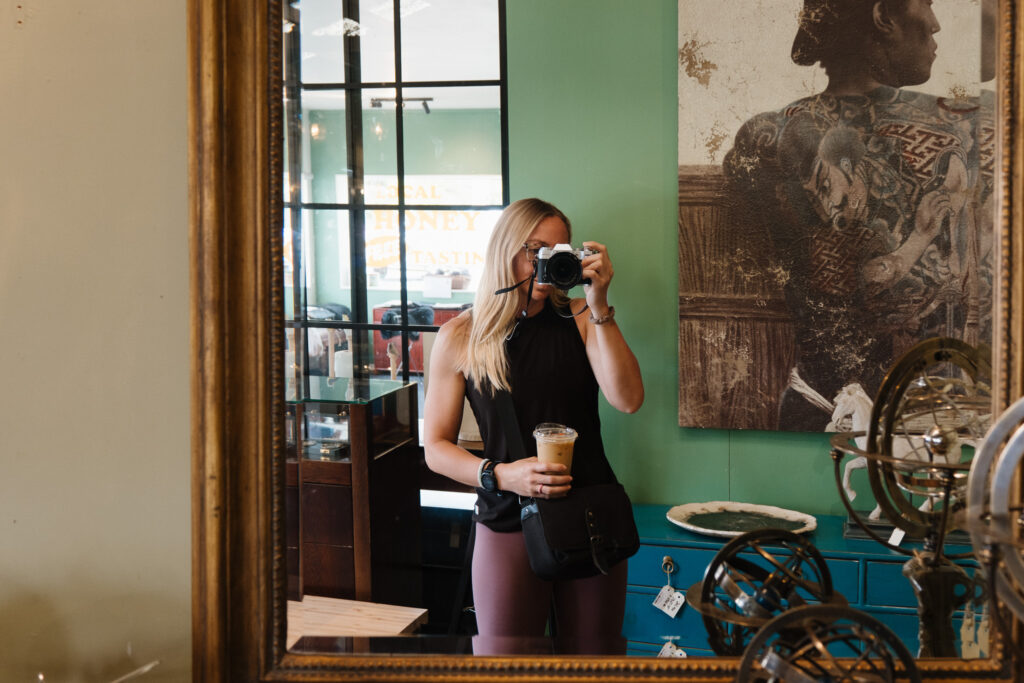
A few weeks ago, my husband and I took a trip of a lifetime to New Zealand, just two months after I got my Fujifilm X-T50.
We road-tripped through the South Island, stayed in tiny towns and outdoorsy cities, hiked, backpacked, camped, wandered, and ate all the food.
And that felt like the perfect testing ground for a new camera. So I packed my Fujifilm X-T50, the XF 16-50mm F2.8-4.8 R LM WR lens, and hoped for the best.
Disclosure: This post may contain affiliate links. If you make a purchase through them, I may earn a small commission at no extra cost to you.
Traveling with the Fujifilm XT50
Why I chose the Fujifilm XT50 for travel
If you’re new around here, I love documenting my life and travels with my camera. For years, I tried to make travel photography work with a bulky DSLR, but it just never did. It was too heavy, overly complicated, and not fun to carry around.
Roughly five years ago, I switched to a lightweight APS-C camera, and that completely changed the game. I realized that the key to using my camera while traveling was having one that felt easy to bring along and fun to shoot with.
Fast forward to January 2025 — I decided to try something new and got my first Fujifilm digital camera. I naturally gravitated toward a smaller model, and the X-T50 seemed like the perfect fit for documenting my travels and everyday life.
Recommended read: Why I Got a Fujifilm XT50 (and not an XT5)
Taking the Fujifilm X-T50 to New Zealand
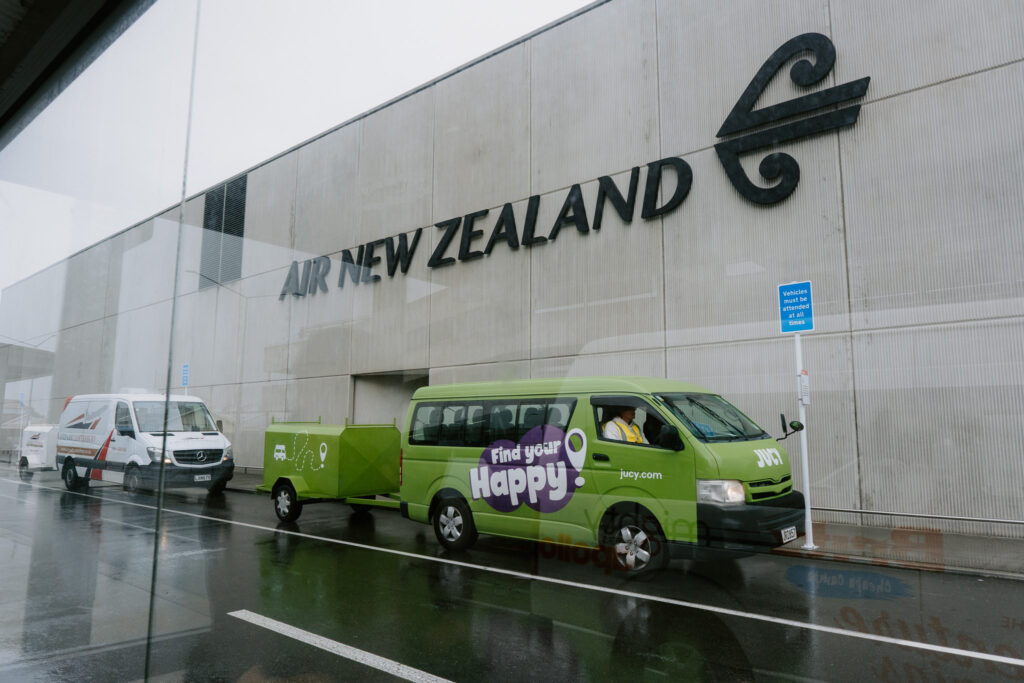
Two months after getting the Fujifilm XT50, I still felt totally confused by it. But I brought it on our two-week road trip through New Zealand anyways.
Part of me did it to force myself to figure things out. And even though it frustrated me at times (because I couldn’t always capture moments as effortlessly as I did with my Sony), it turned out to be an incredible travel camera.
The Fujifilm XT50 is lightweight, soooo easy to carry, and can produce beautiful images straight out of the camera. It’s not the best camera for rugged adventures or bad weather, but it survived everything I threw at it in New Zealand. And I threw quite a few things at it.
Recommended read: Fujifilm XT50: First Impressions and Experience
How the Fujifilm XT50 handled travel
New Zealand was the perfect place to test whether the Fujifilm XT50 is a good travel camera. Why? Because it had a little bit of everything… cities, outdoor adventures, hip restaurants, and so much more.
I knew I needed a camera that could keep up, and the Fujifilm X-T50 did just that.
Per usual, I brought my camera everywhere with me. It was always either around my neck or tucked in my sling bag. Thankfully, it’s small enough to bring almost anywhere!
However, if you’re looking for an even lighter setup for everyday carry, I’d recommend pairing it with a small pancake lens like this one.
Instead of just talking about how it did, I thought I’d show you. In the next sections, I’ve included pictures I took in the cities, on the trails, while backpacking, and more.
If you want more info about how I use the camera hiking, backpacking, or in weather, check out my post below.
Recommended read: Is the Fujifilm XT50 Weather-Sealed? No — But Here’s How It Handles Weather.
In cities with the XT50
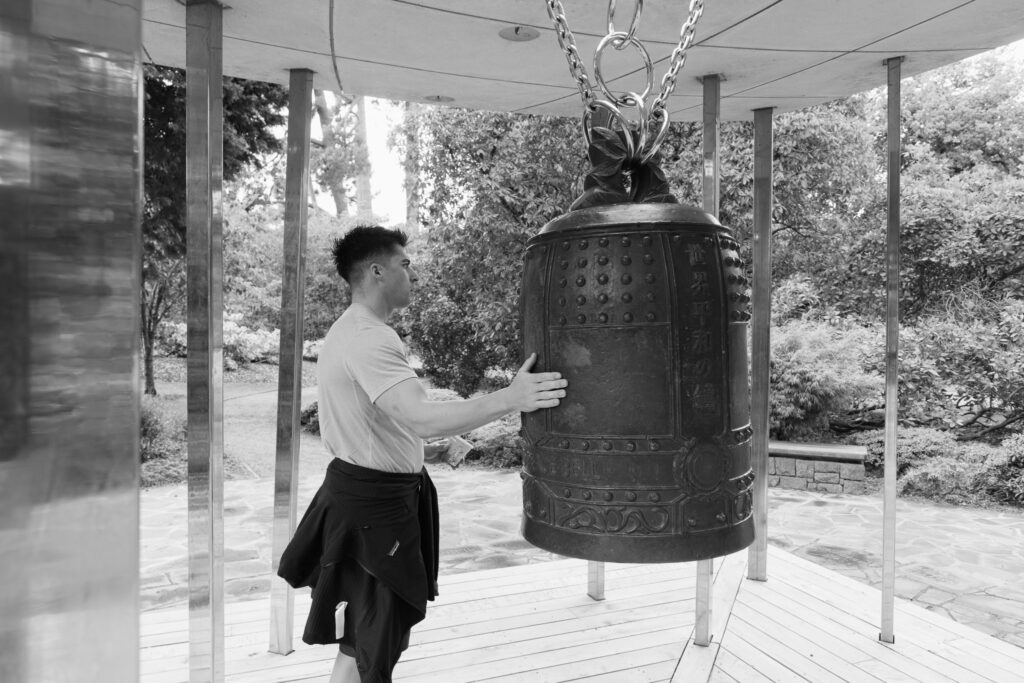
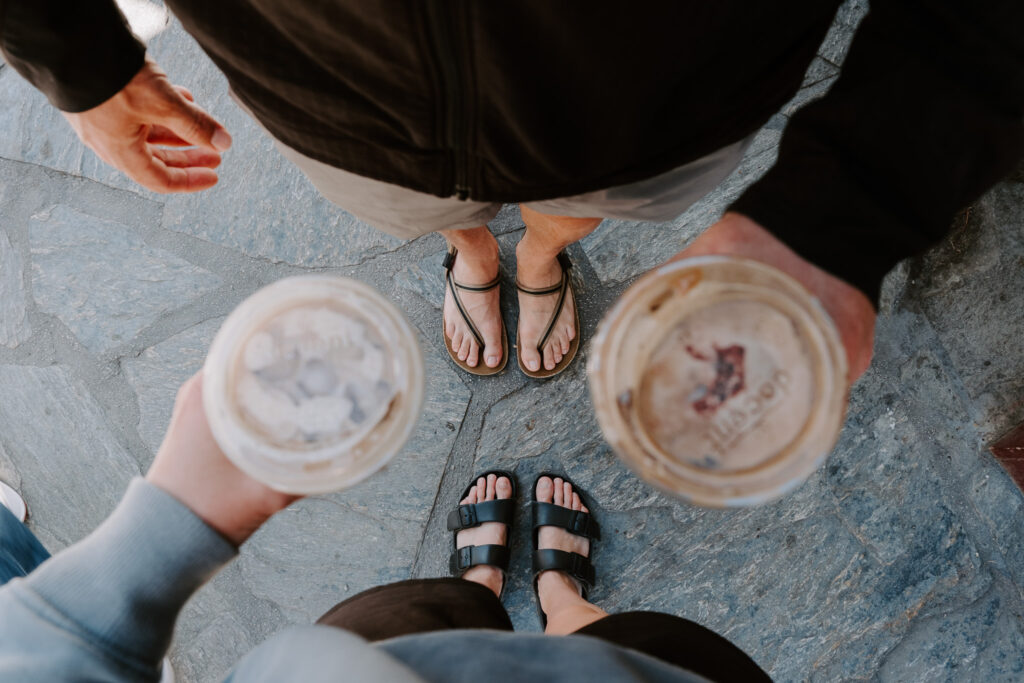
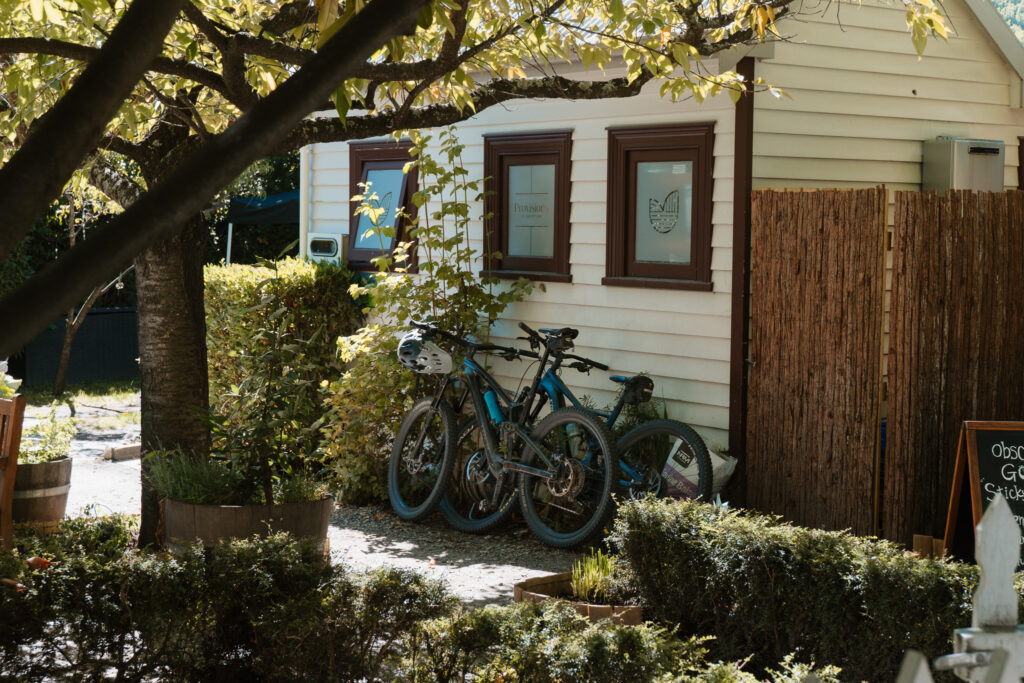
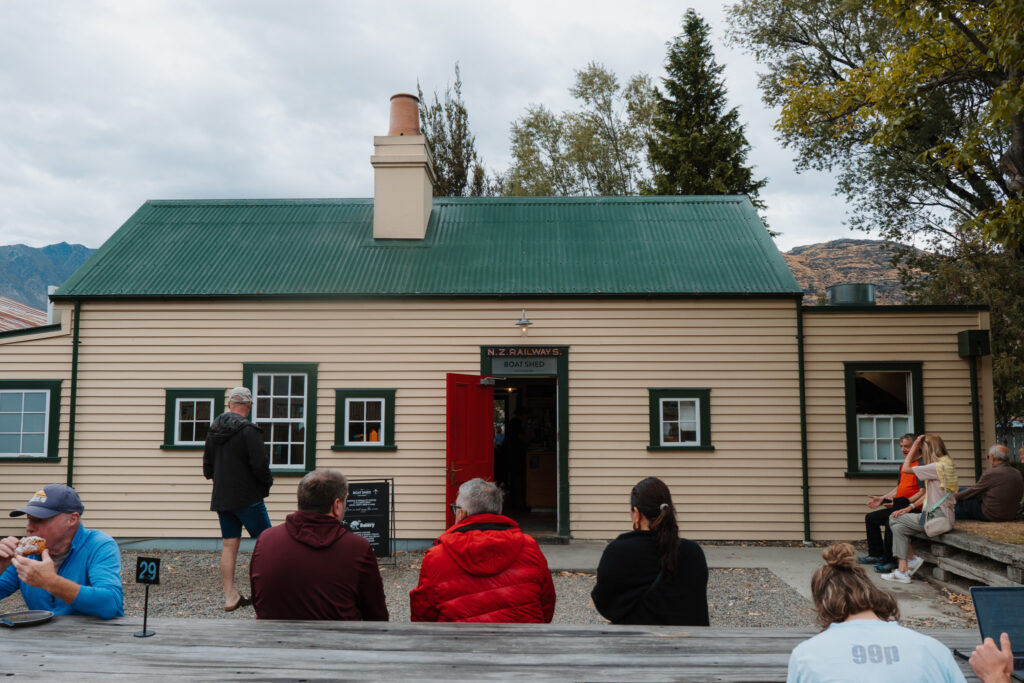
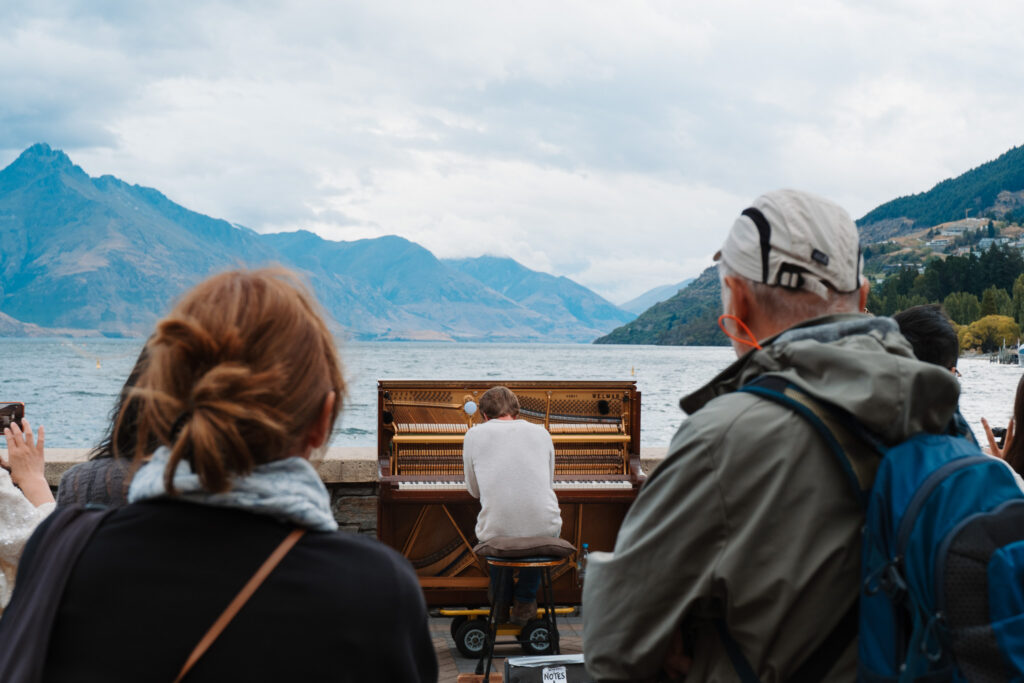
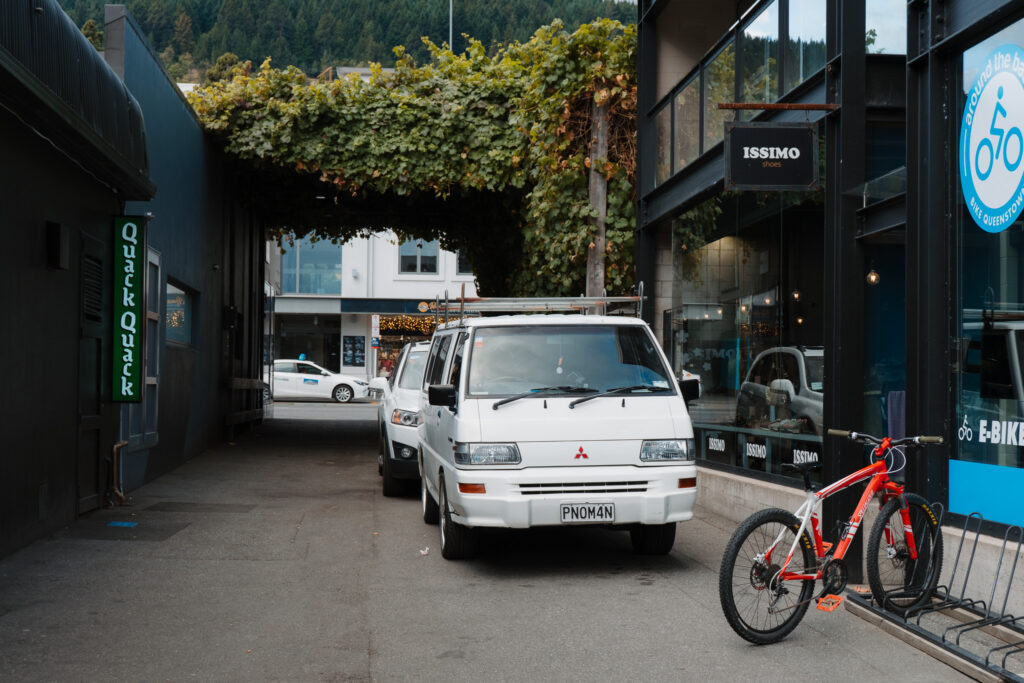
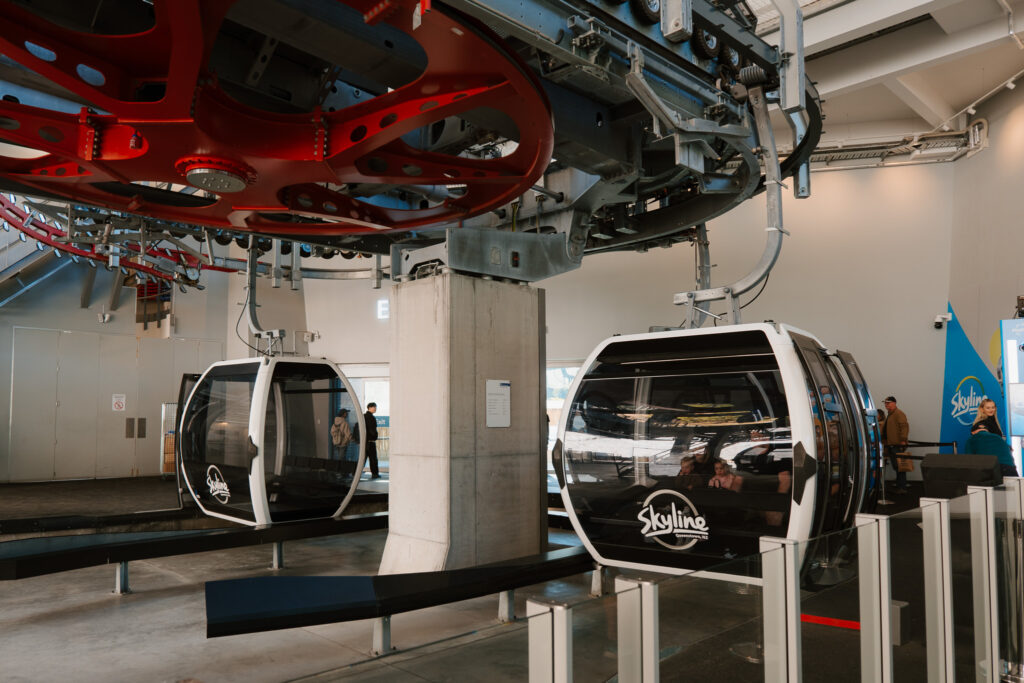
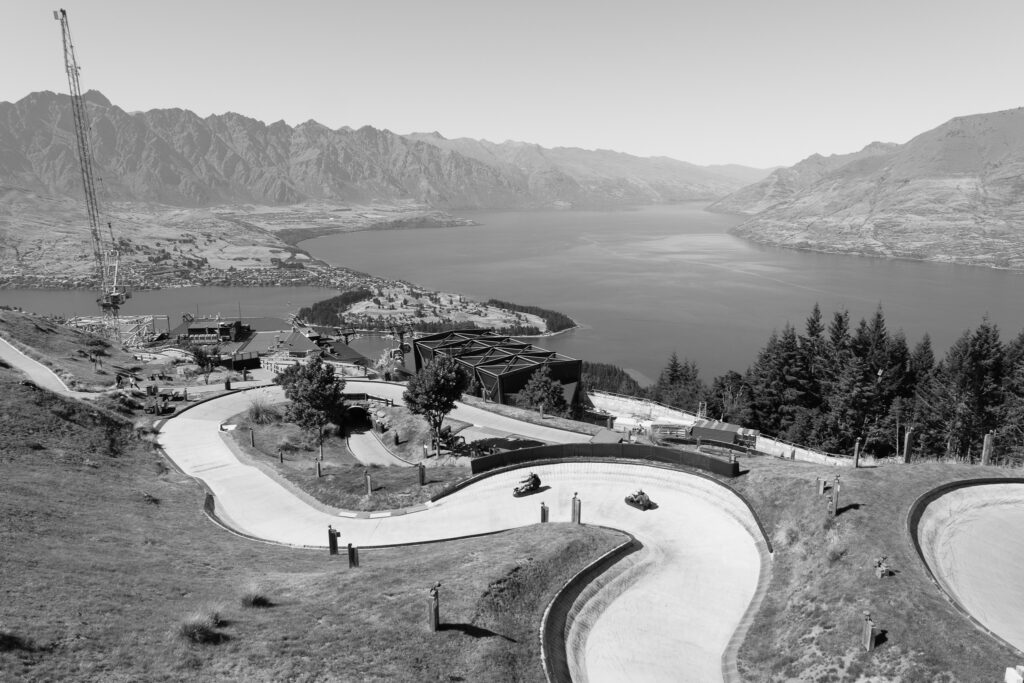
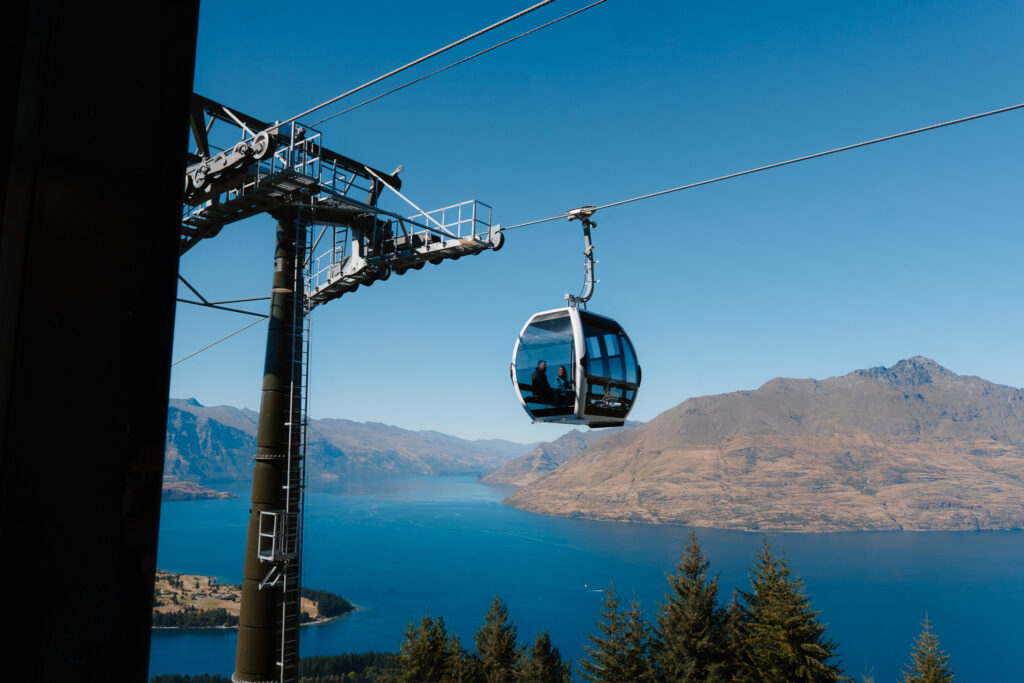
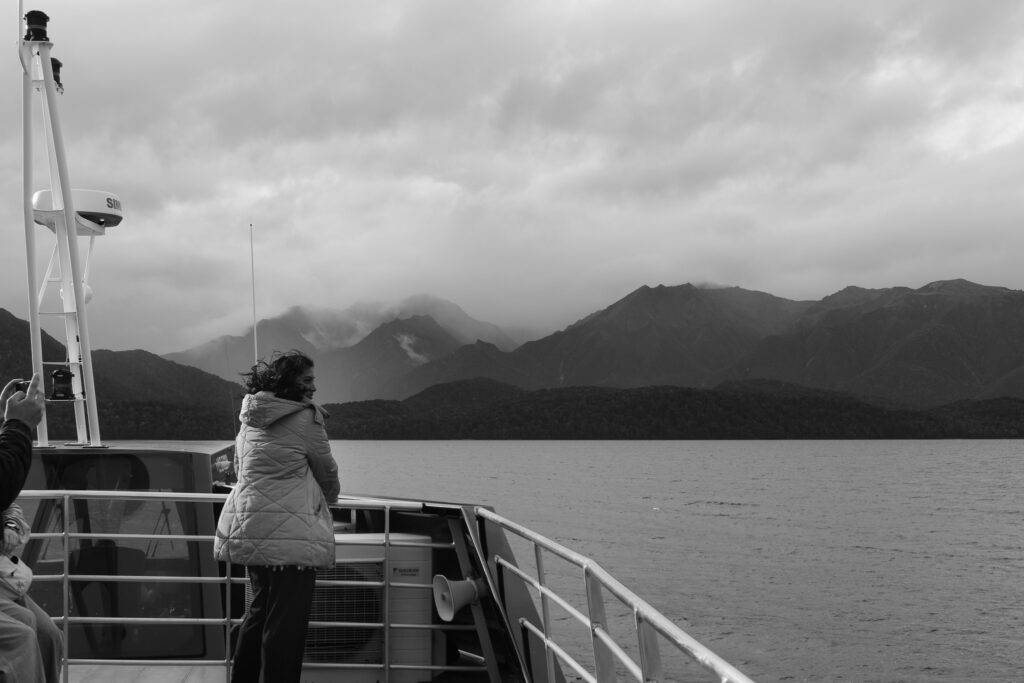
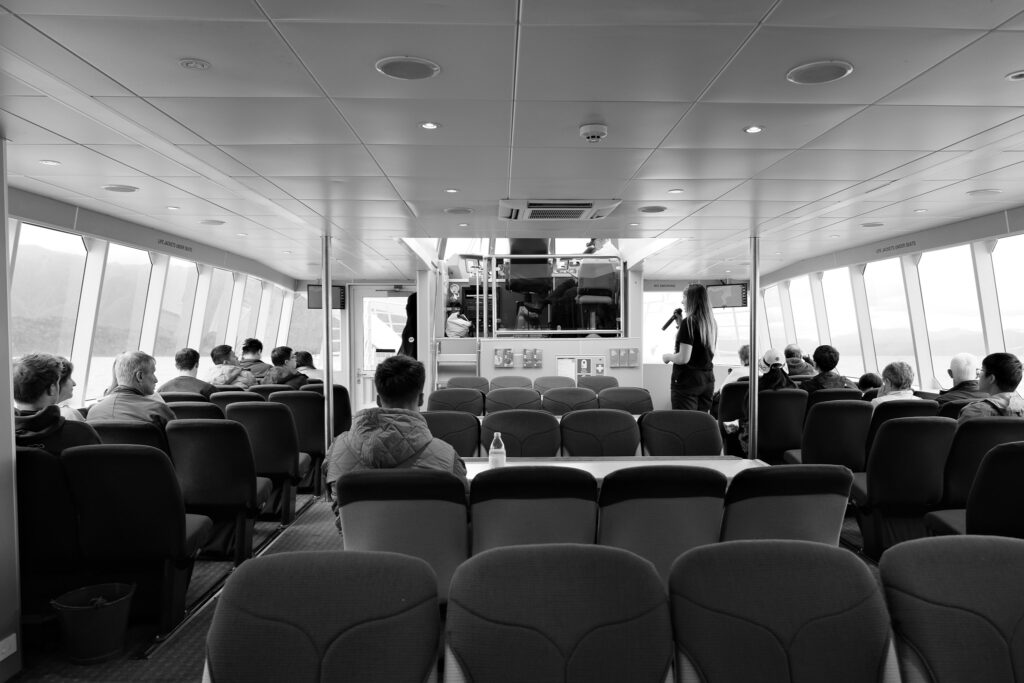
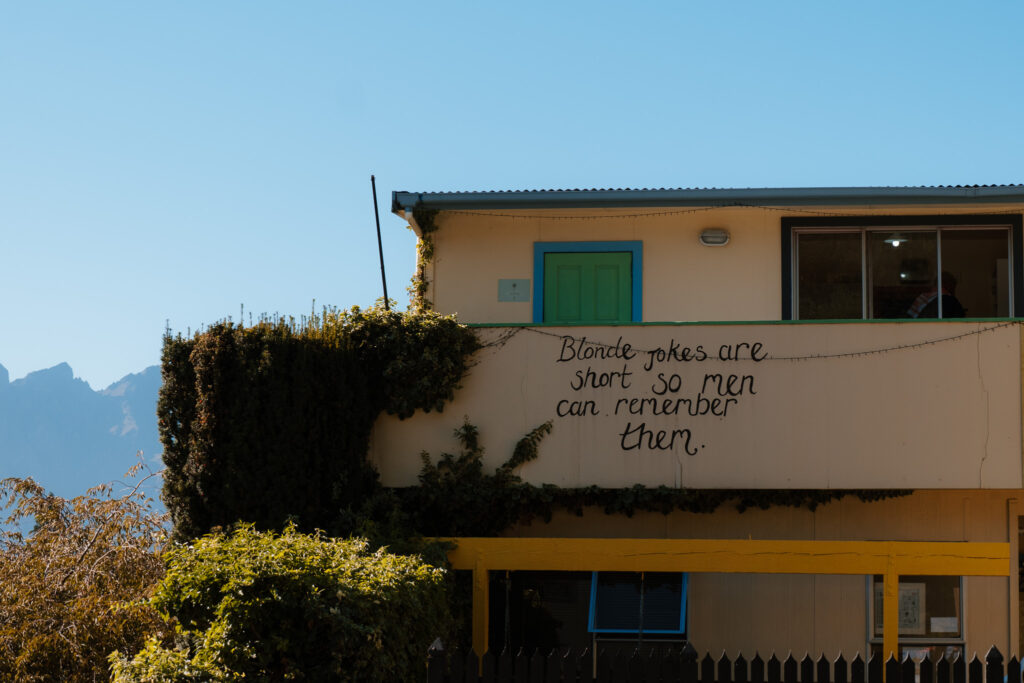
The Fujifilm XT50 was perfect for documenting moments in the city.
Some of the pictures in this section were taken in full automatic mode while I was still trying to get comfortable with this camera when we first arrived. I also edited many of the raw files in Lightroom.
Here are some city pictures from Christchurch, Te Anau, Arrowtown, and Queenstown.






On the trails with the XT50
As I’ve mentioned elsewhere on my blog, I’m used to shooting with weather-sealed cameras… the kind you can take out in rain, snow, or dusty conditions without thinking.
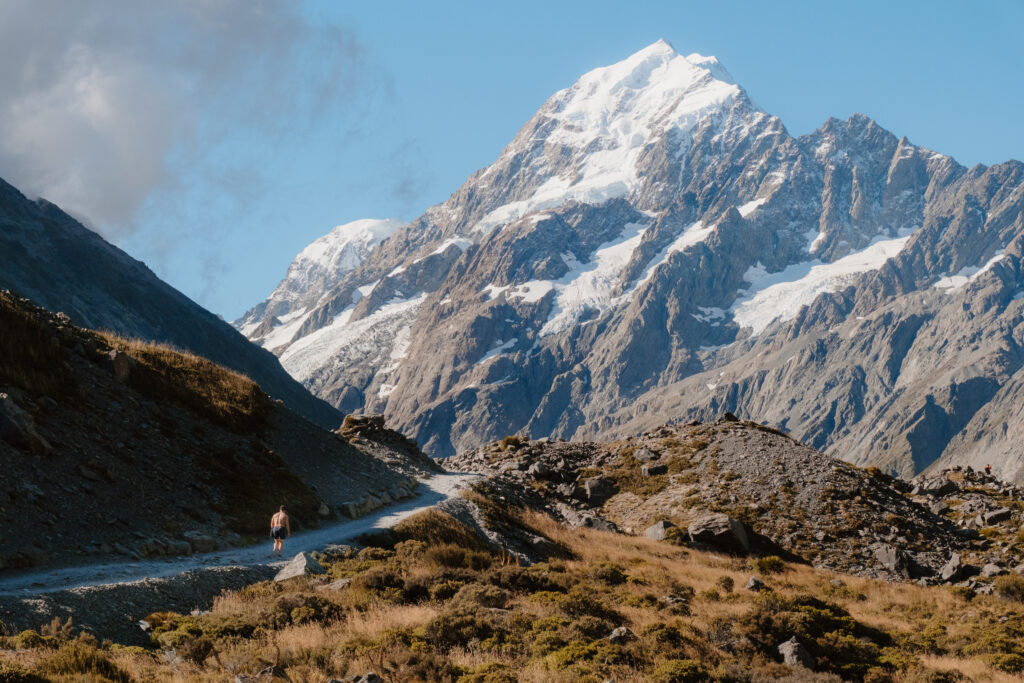
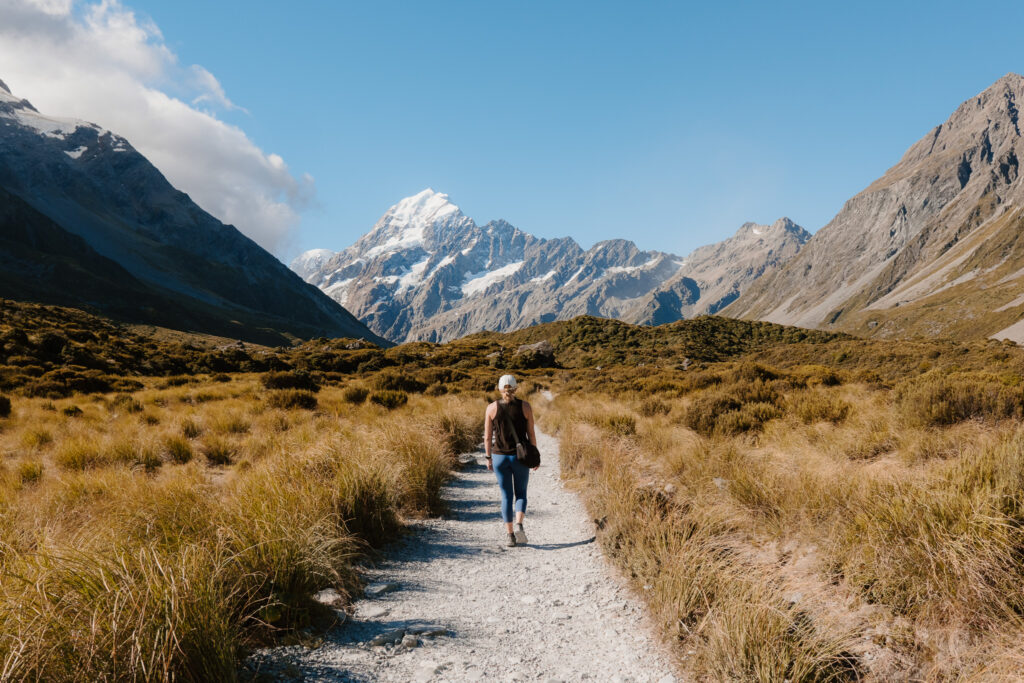
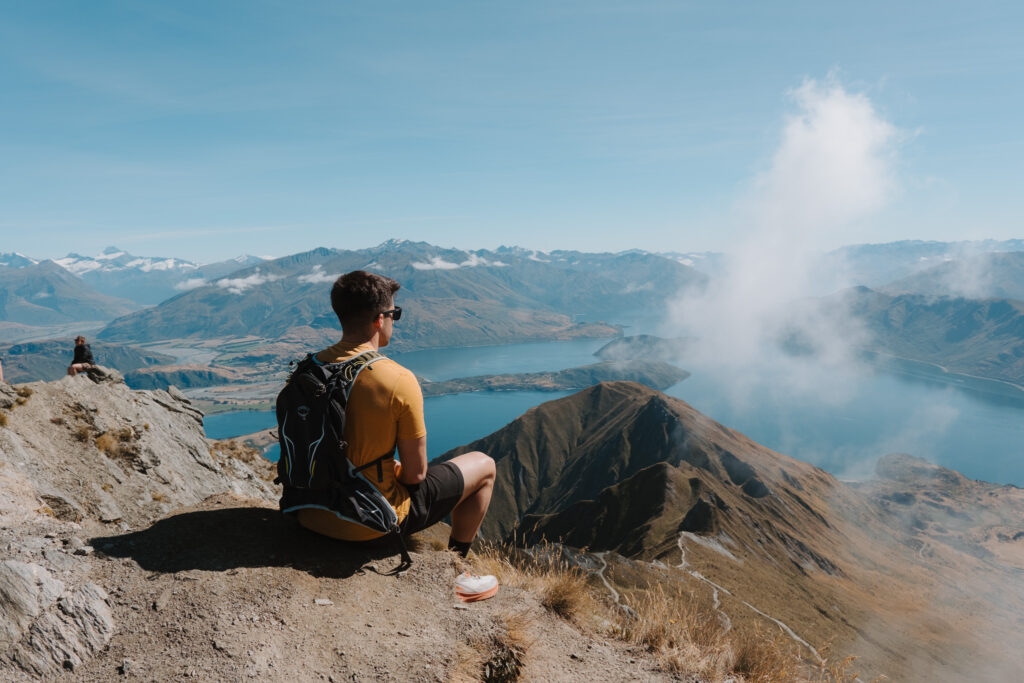
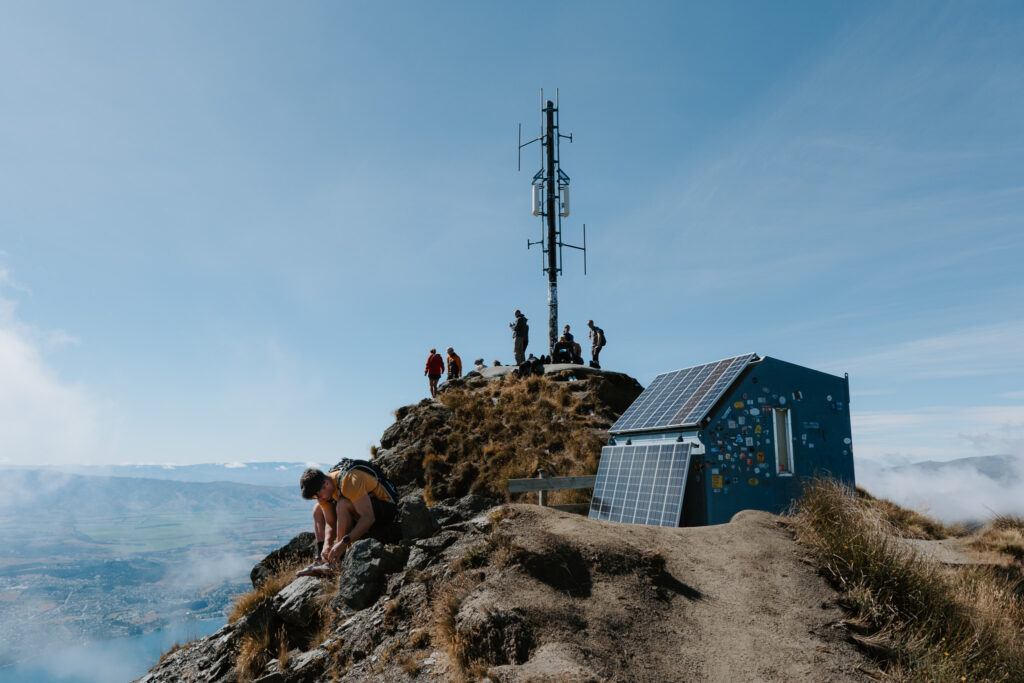
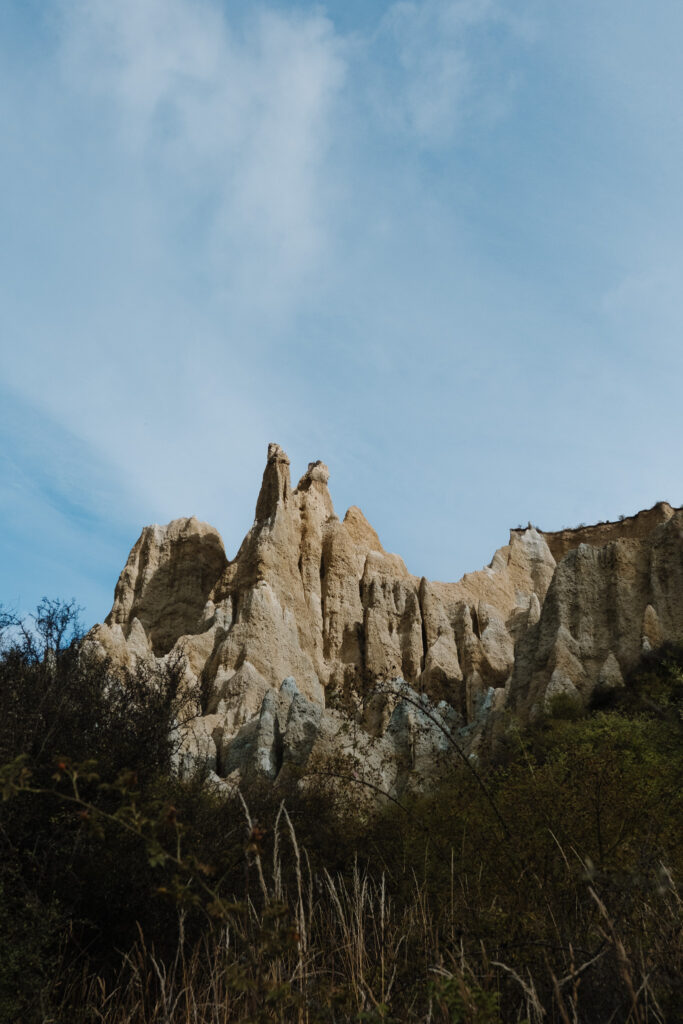
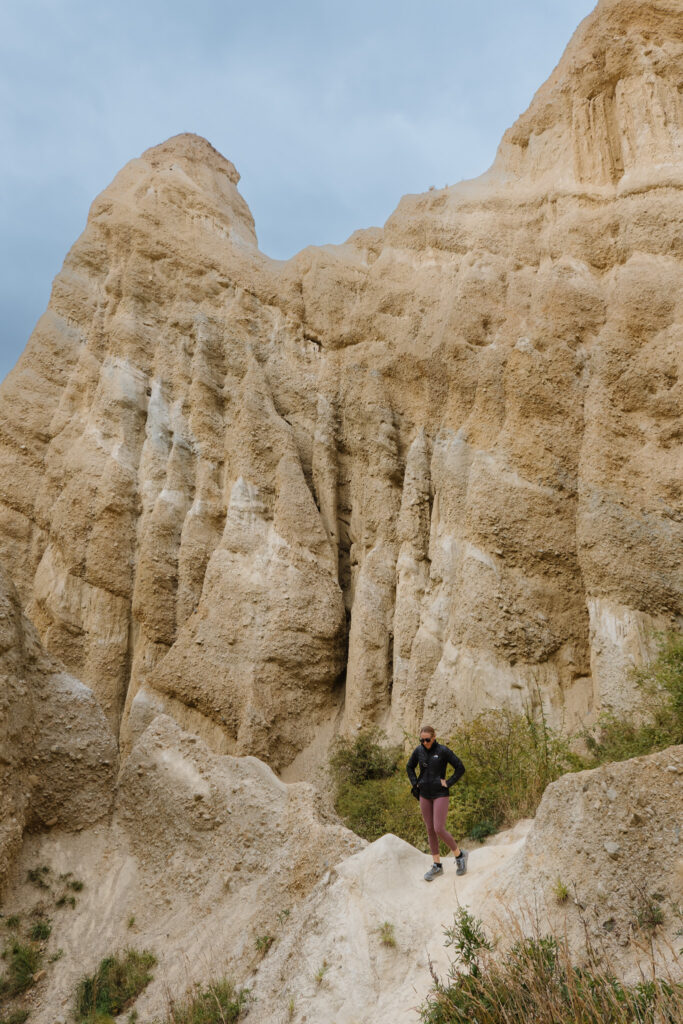
The Fujifilm X-T50 doesn’t have that same protection, but I still brought it out on dusty trails anyway. And honestly, it performed wonderfully. I kept it in my sling bag (you can see it in one of the photos below) whenever I wasn’t shooting!
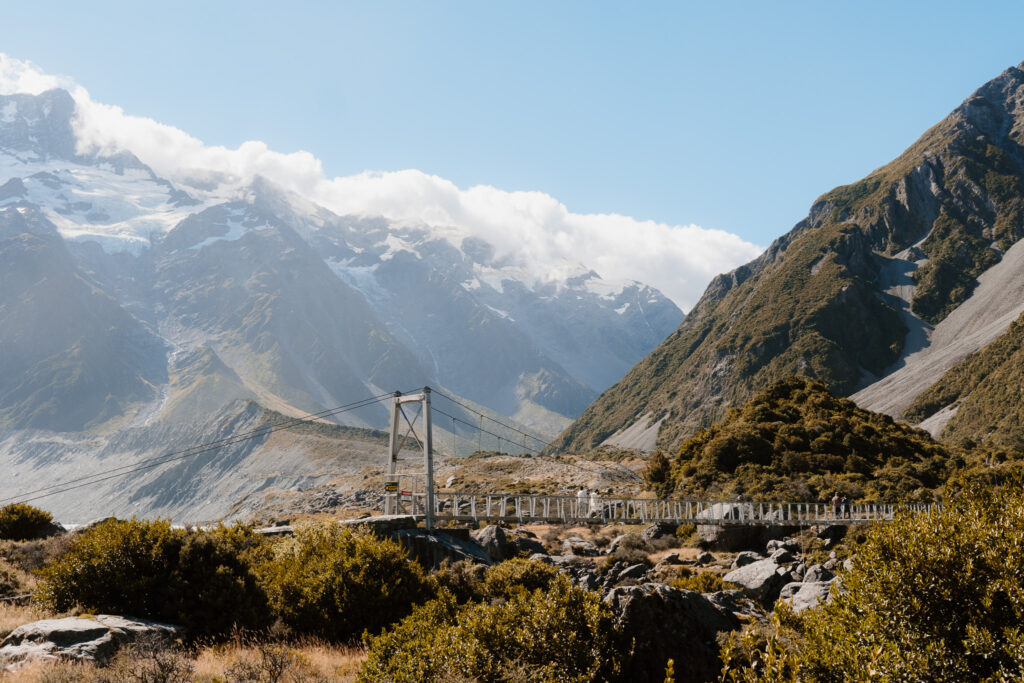
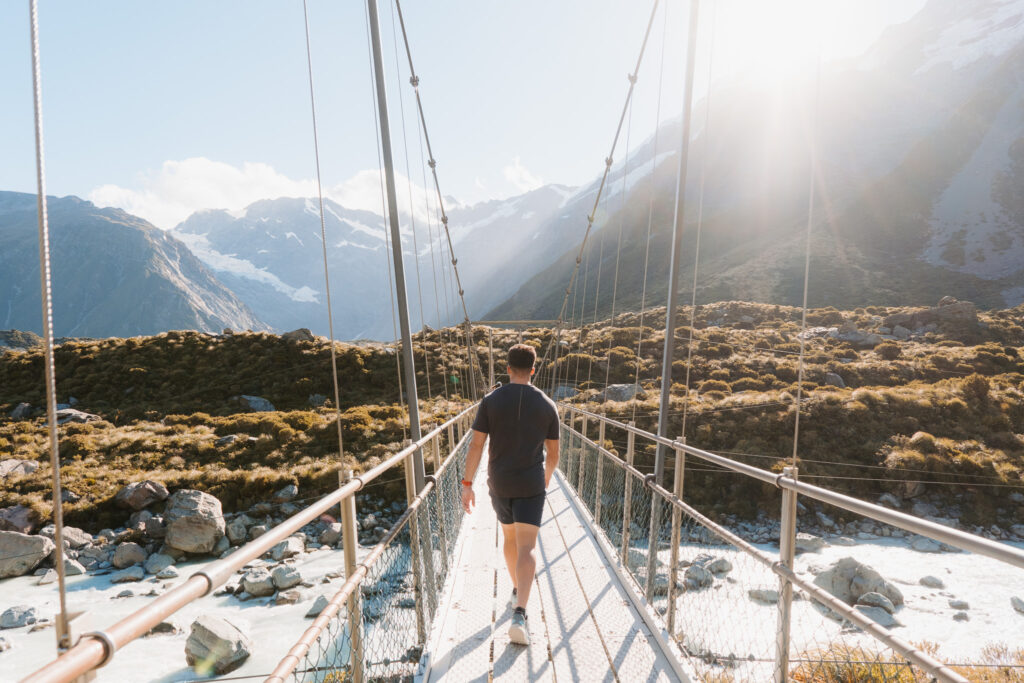
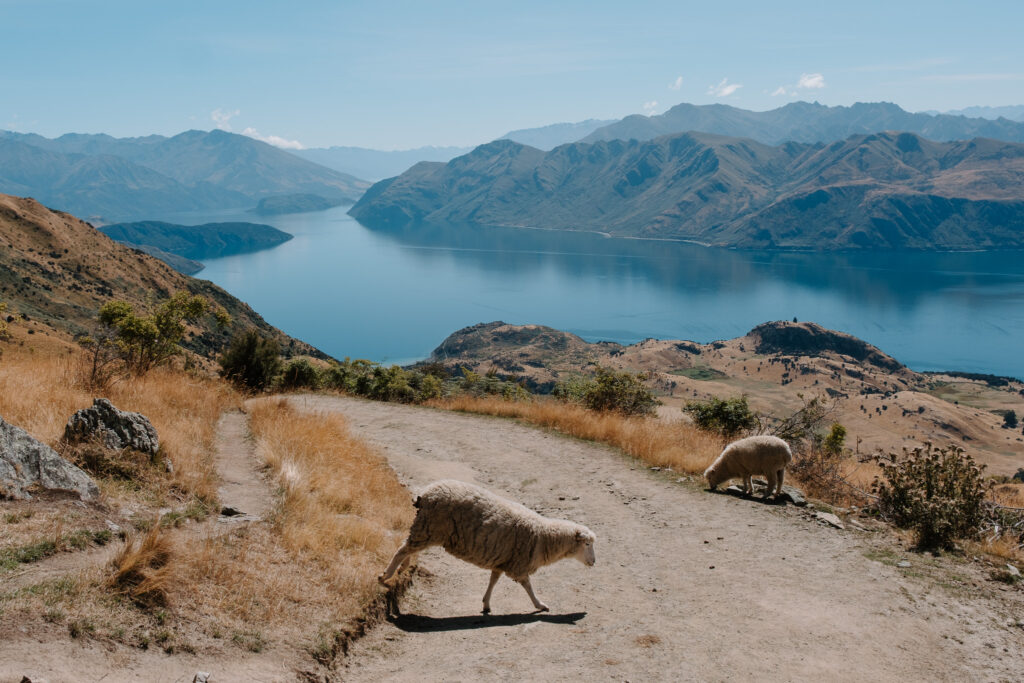
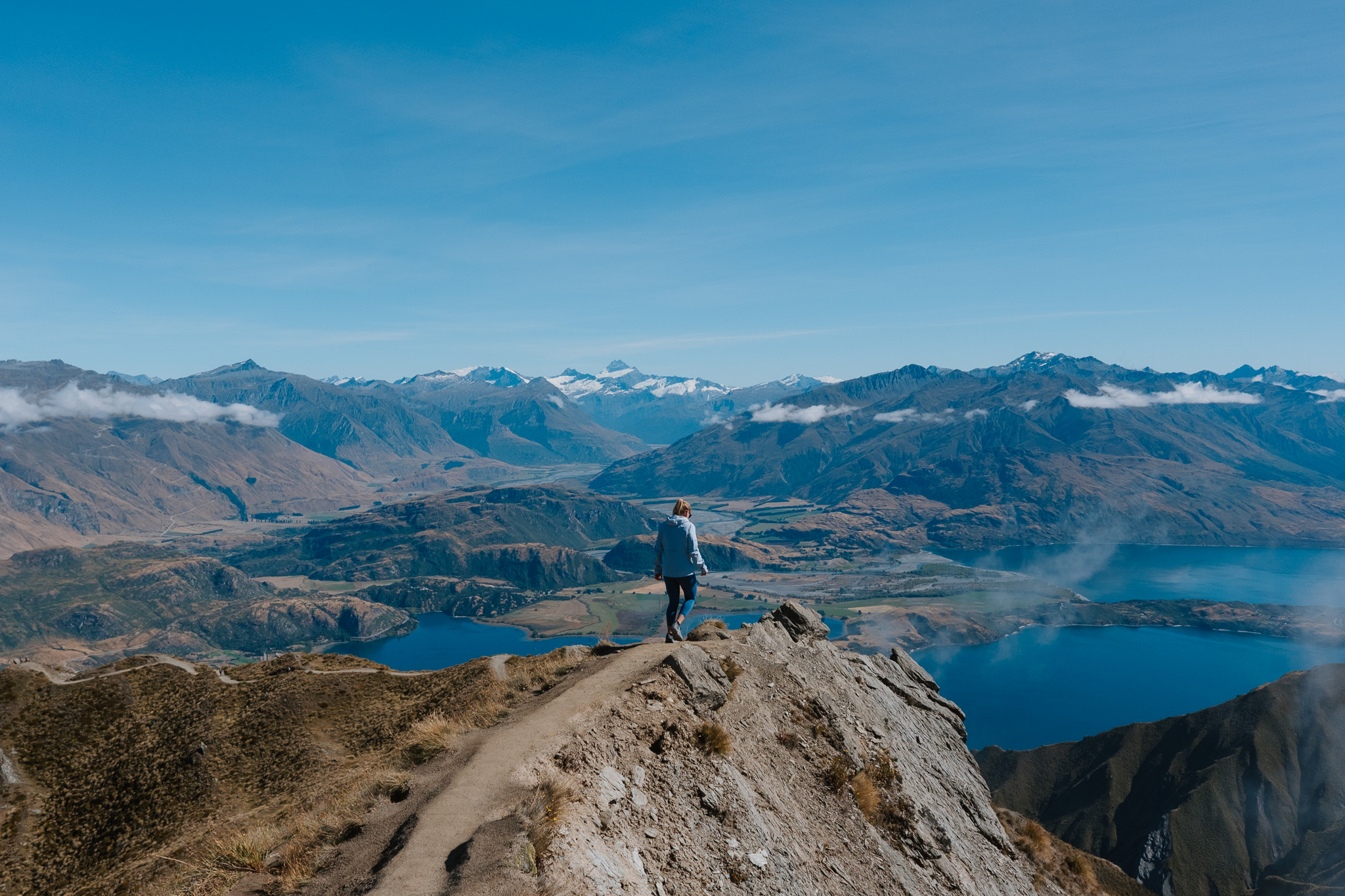
I actually think it makes a great hiking camera when the weather is clear. It’s lightweight, easy to carry, and quick to grab when something catches your eye. You just have to be a bit more mindful with it, which, in a way, made me slow down and be more intentional with my camera.
Below are Fujifilm XT50 pictures from a few hikes we did in New Zealand. These included the Hooker Valley Track, Clay Cliffs, and Roy’s Peak.
Recommended read: How the Fujifilm X-T50 has changed my photography
Backpacking with the XT50
Backpacking with the Fujifilm X-T50 definitely felt a little risky (no weather sealing), but of course, I brought it anyway. Normally, we’d trail run this kind of route, but because of an injury I haven’t been able to get under control, we decided to backpack it instead. Thankfully, both my legs and the camera held up.
My biggest regret? Not bringing this camera backpack clip. I ended up carrying it around my neck most of the time, and it got so annoying after a while.
The battery life held up decently, but definitely required a charge to get through day two. We brought two power banks (similar to this one and this one) to charge our electronics overnight. You could easily bring spare batteries, too.
On the last day, it started drizzling pretty heavily, so I tucked it into my backpack to keep it safe. For the most part though, it handled everything really well.
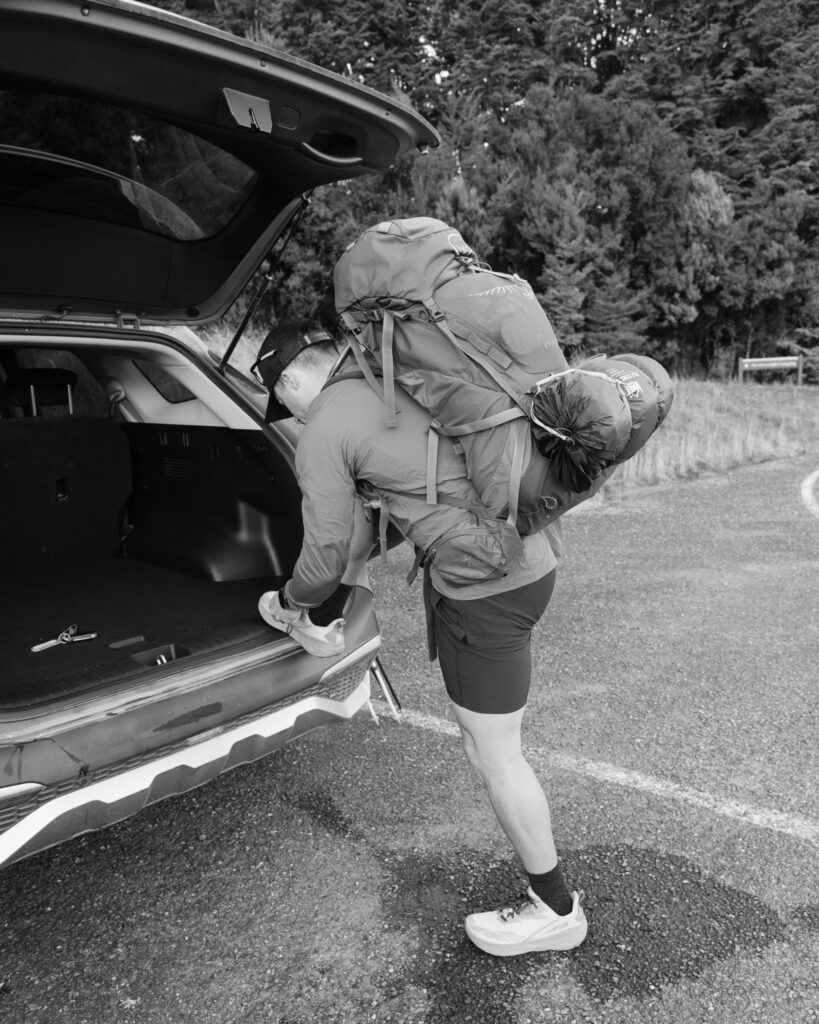
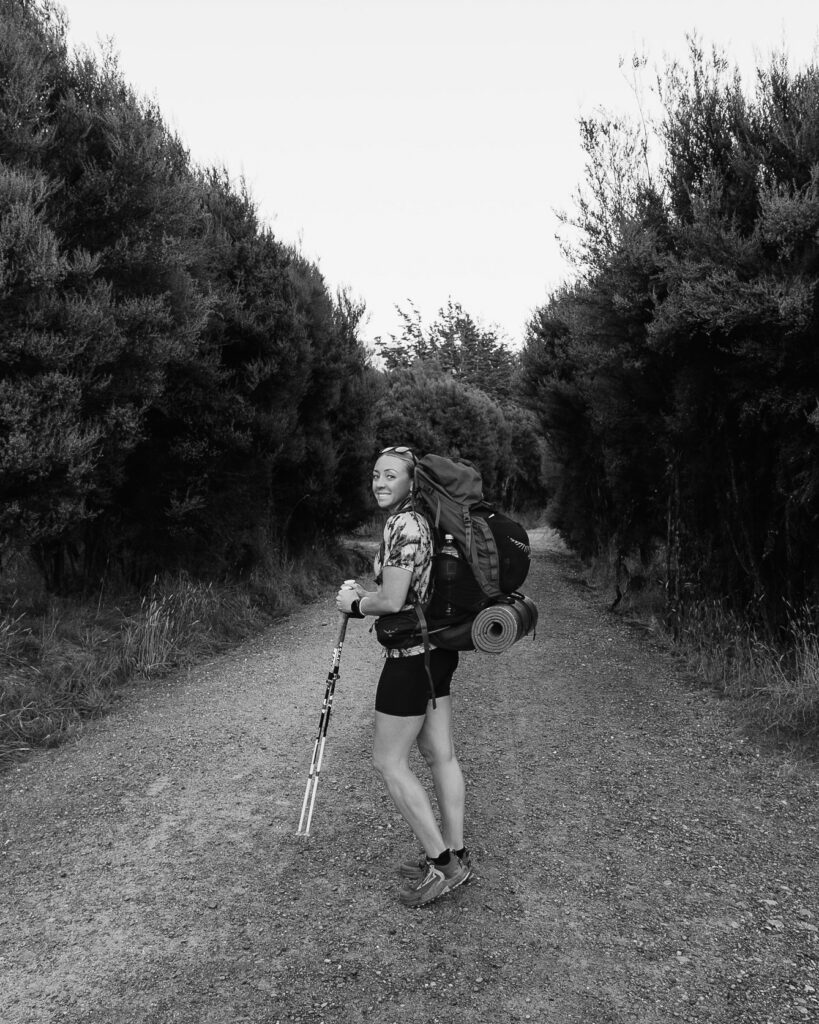
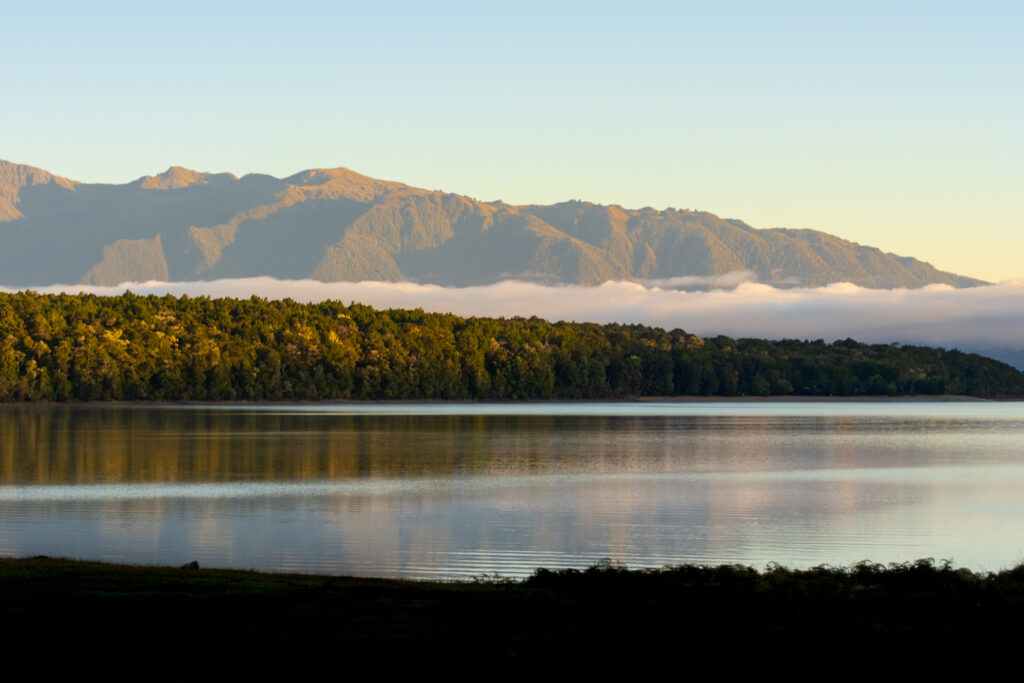
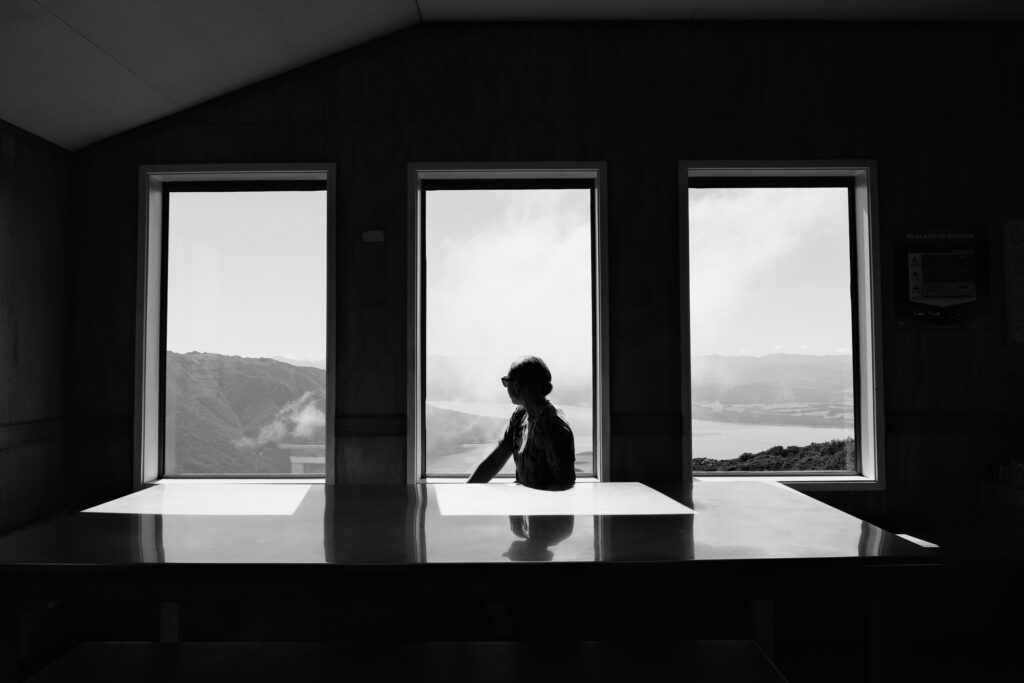
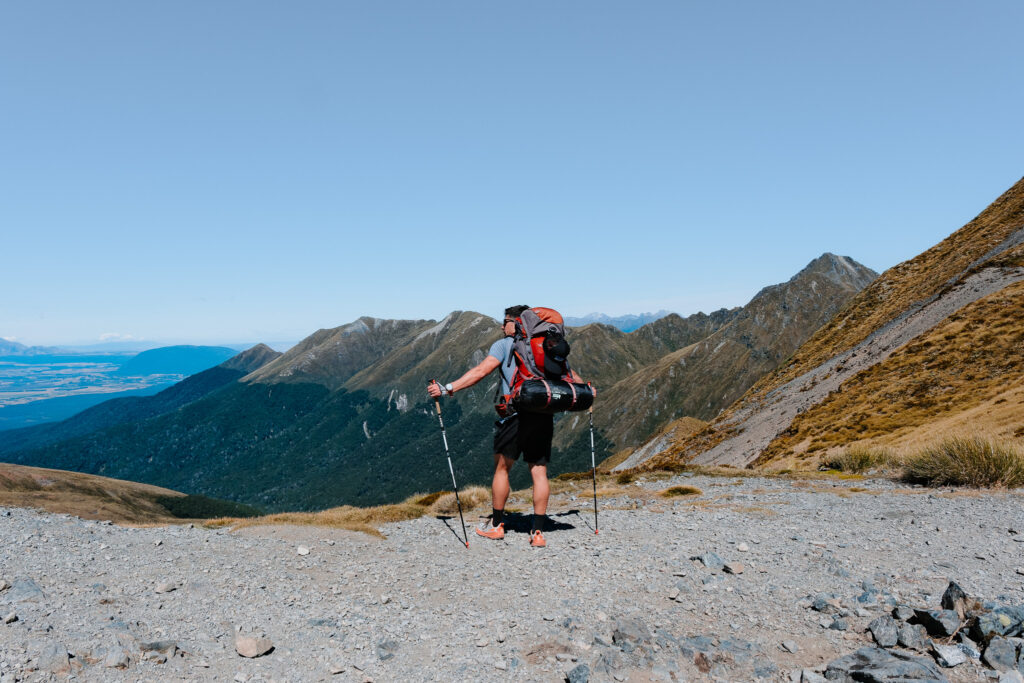
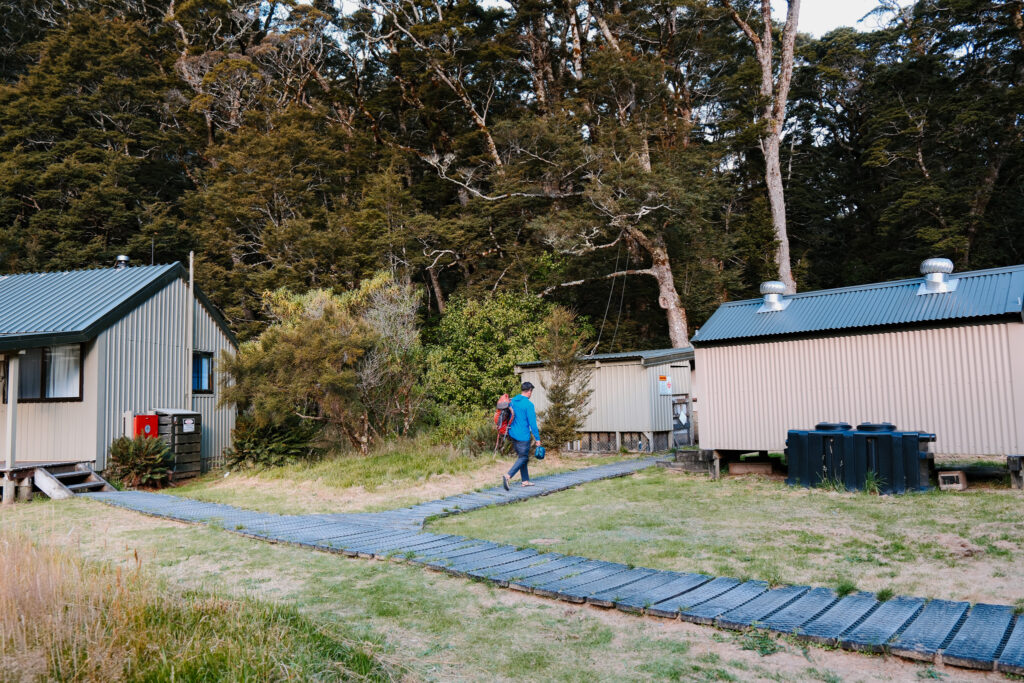
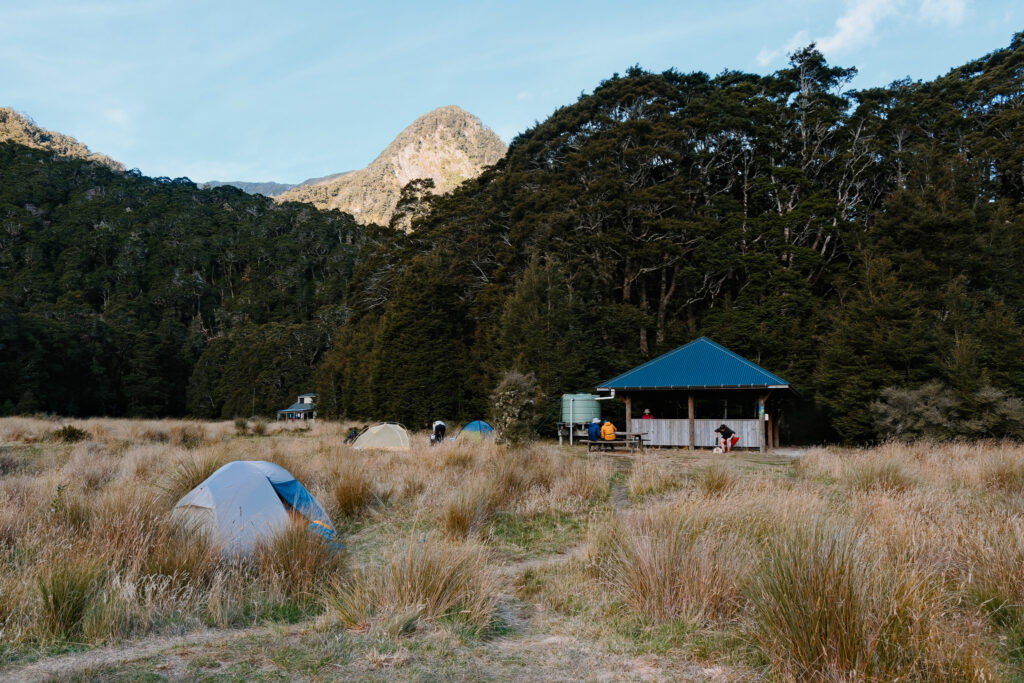
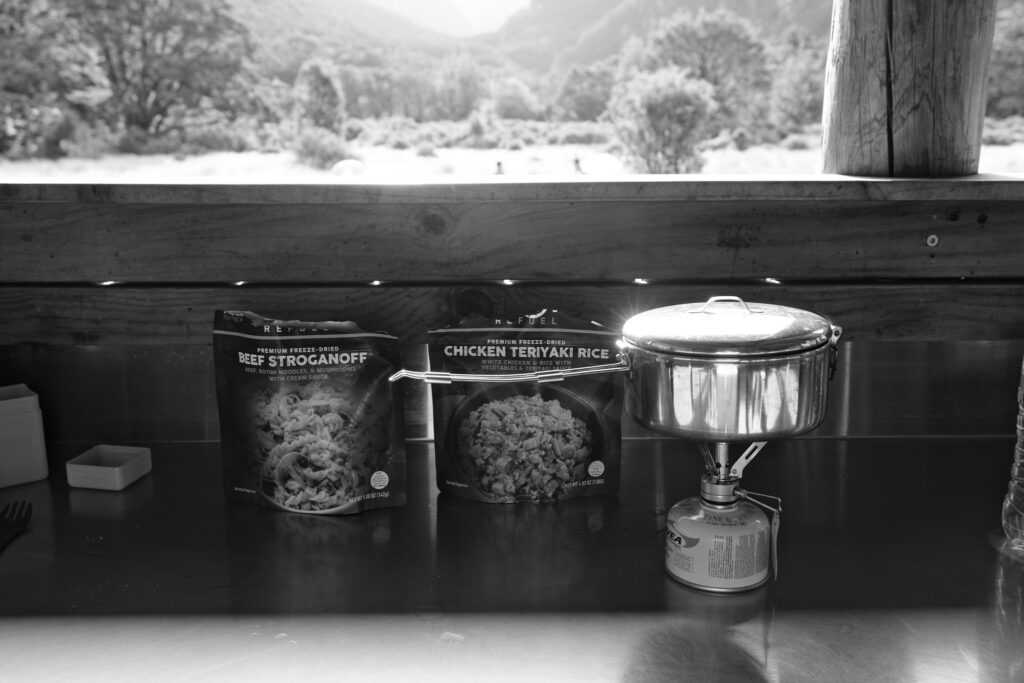
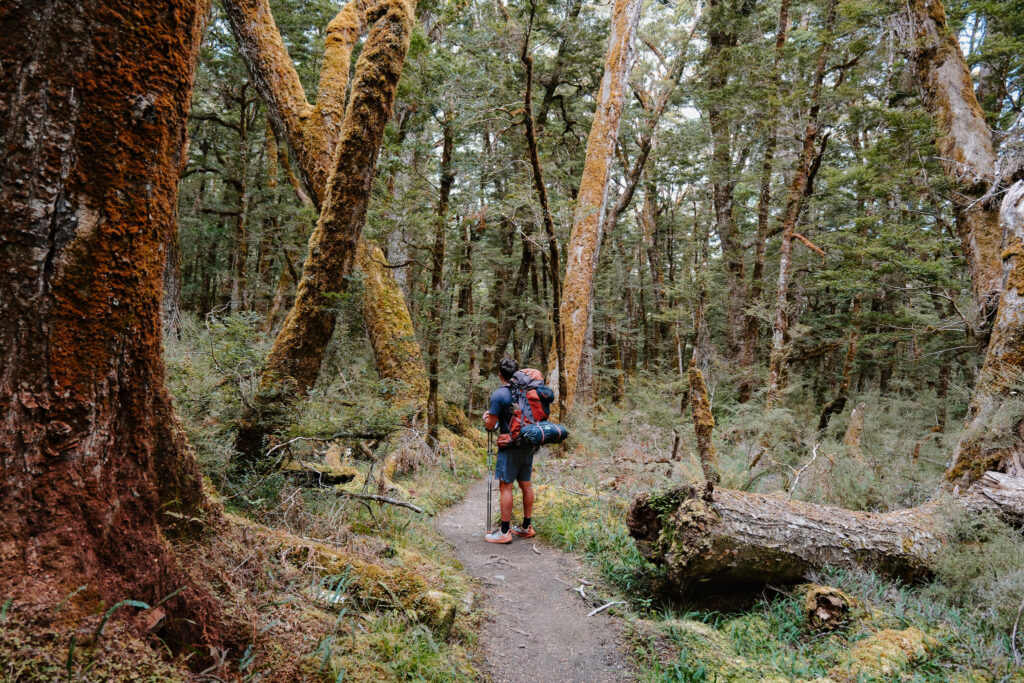
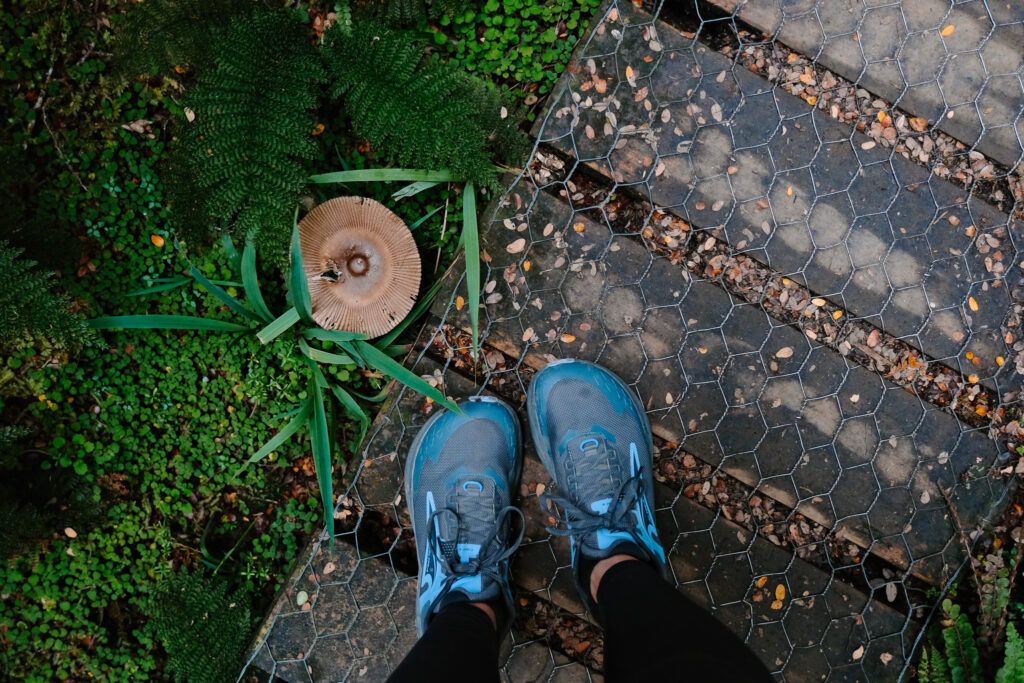
Below are pictures from our backpacking trip on the Kepler Track, an approximately 60km (37mi) hike in Fiordland National Park, New Zealand. Most people typically complete this track in 3-4 days, but we completed it in just two days and camped at the Iris Burn Campsite.
Recommended read: I Love the Fujifilm XT50 — But These Things Frustrate Me
Random with the XT50
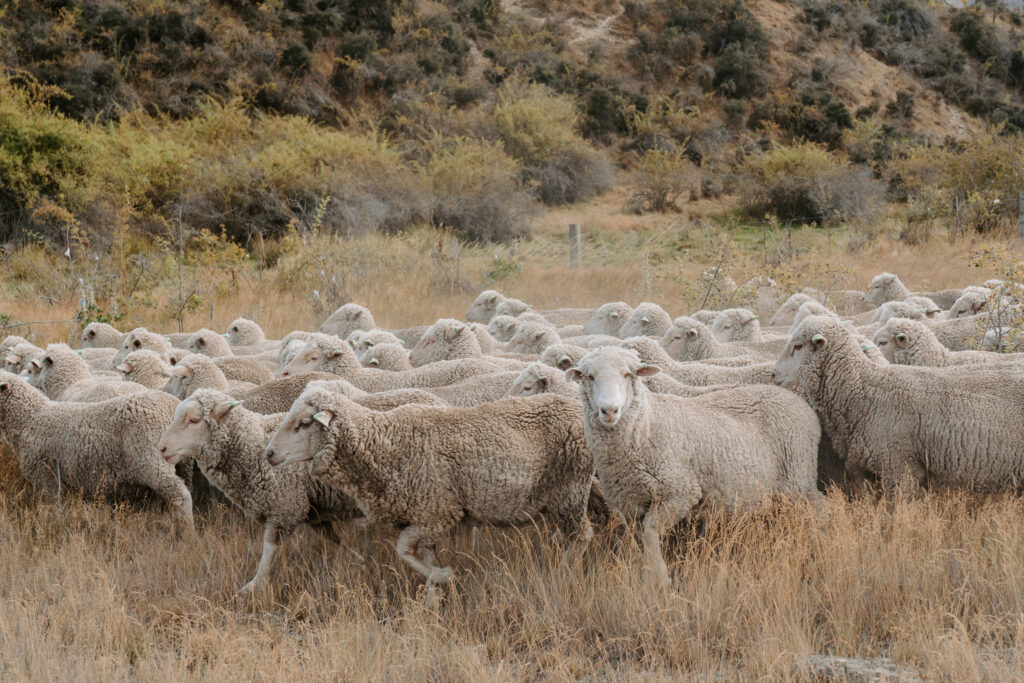
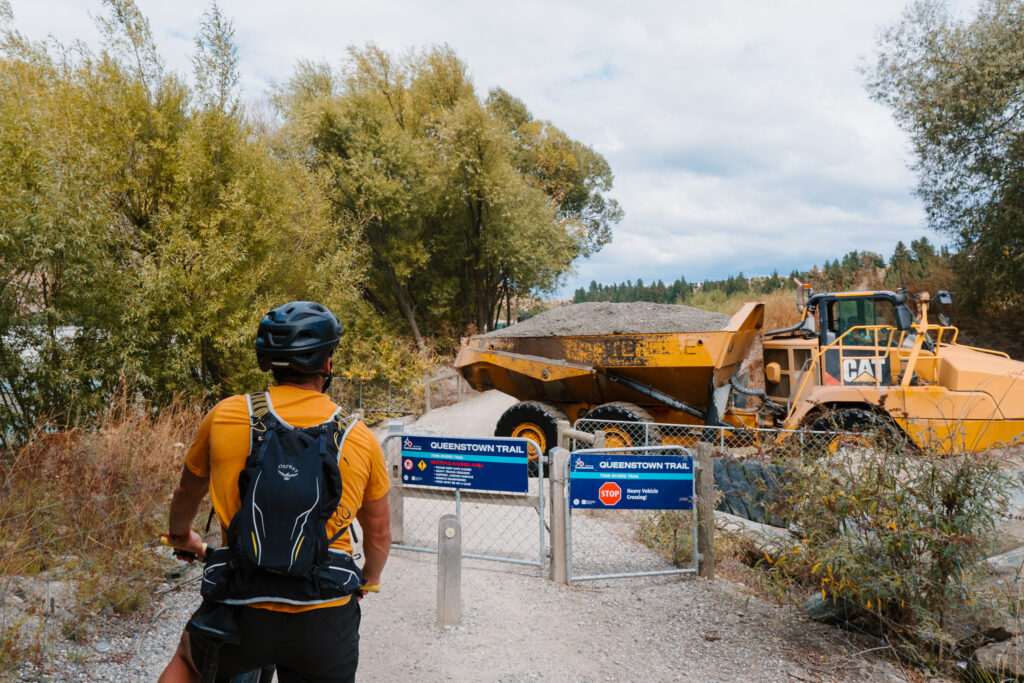
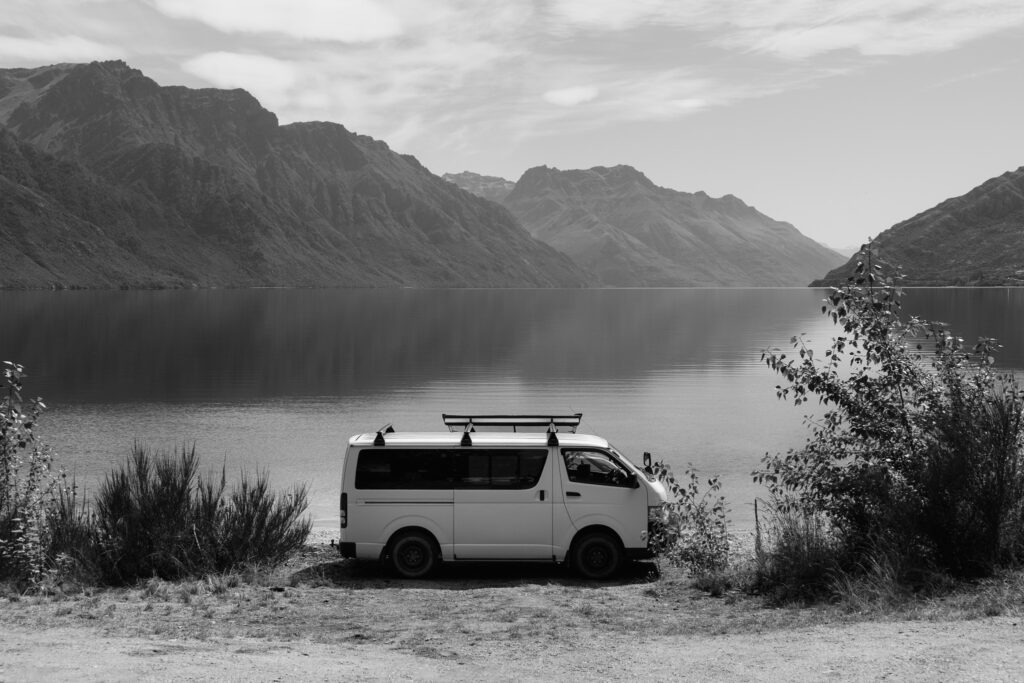
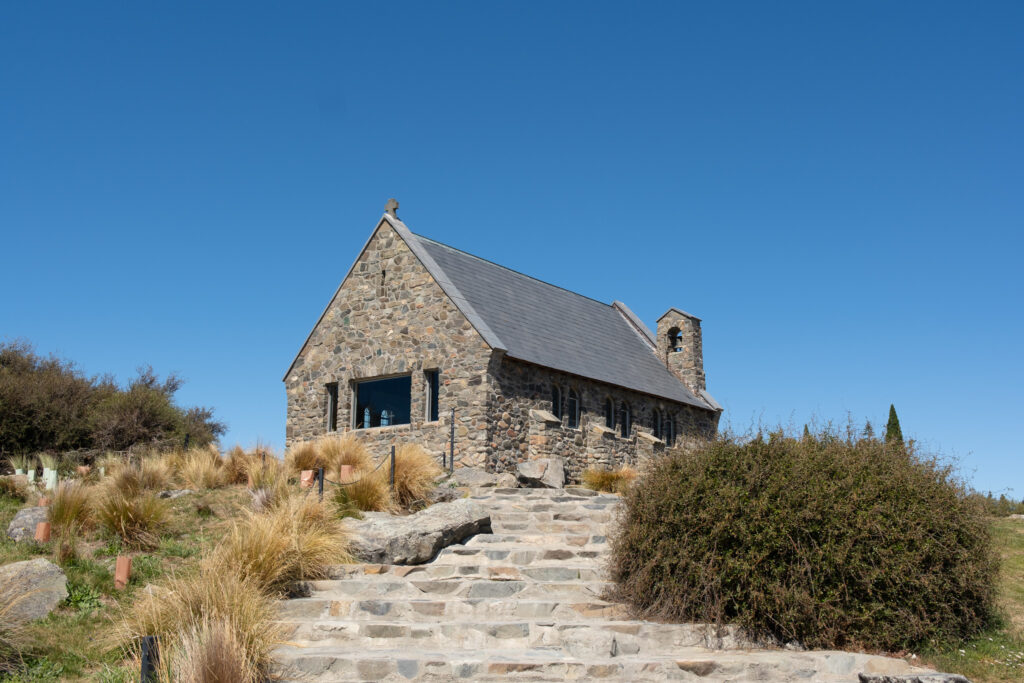
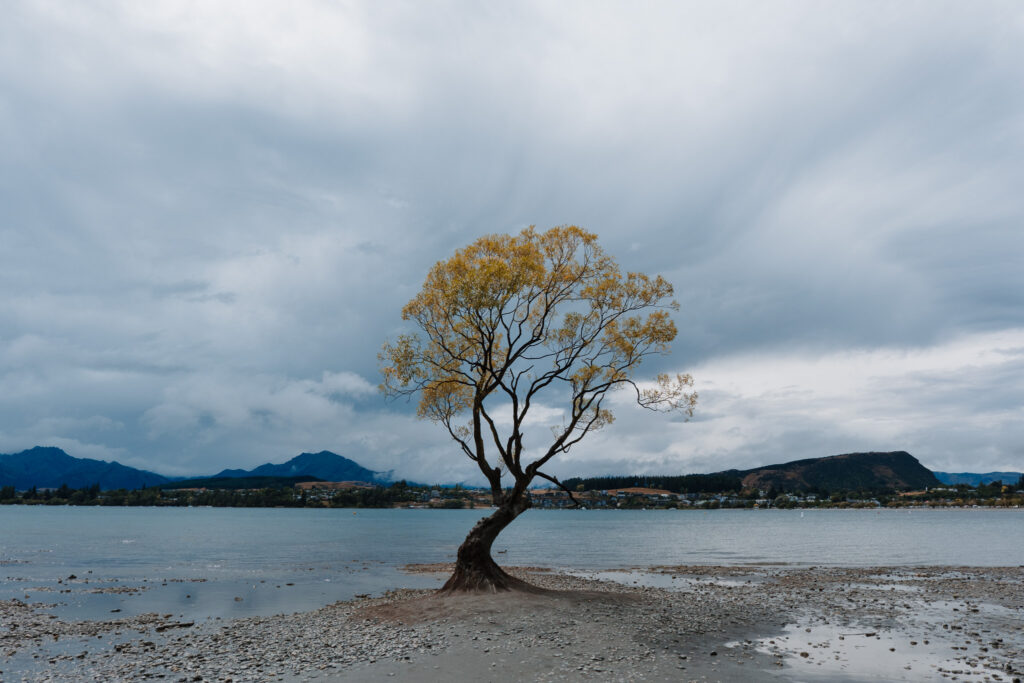
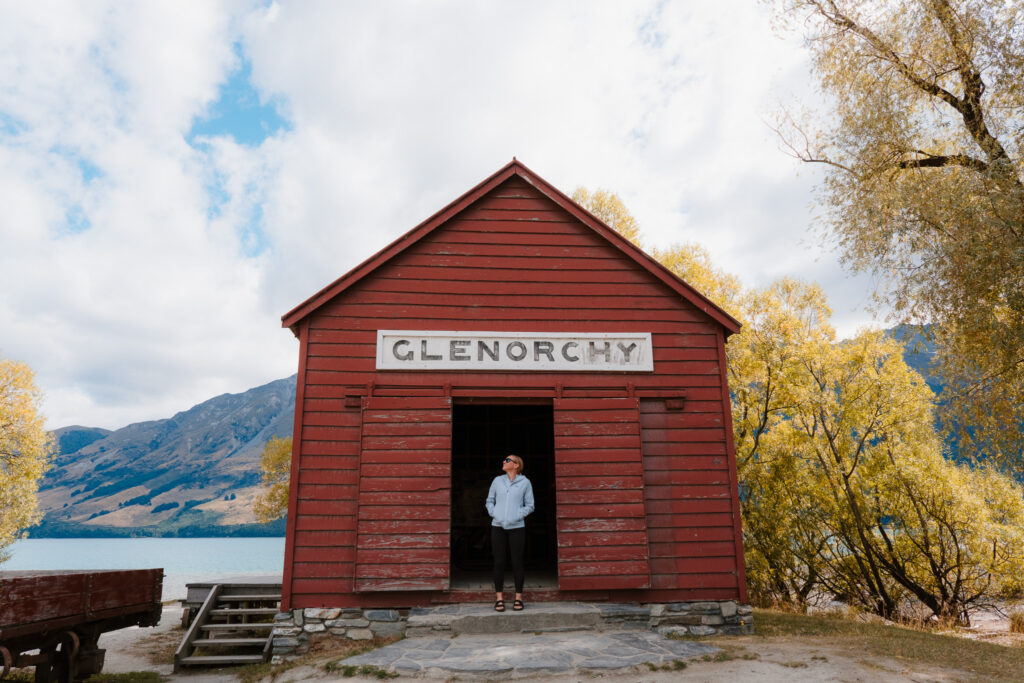
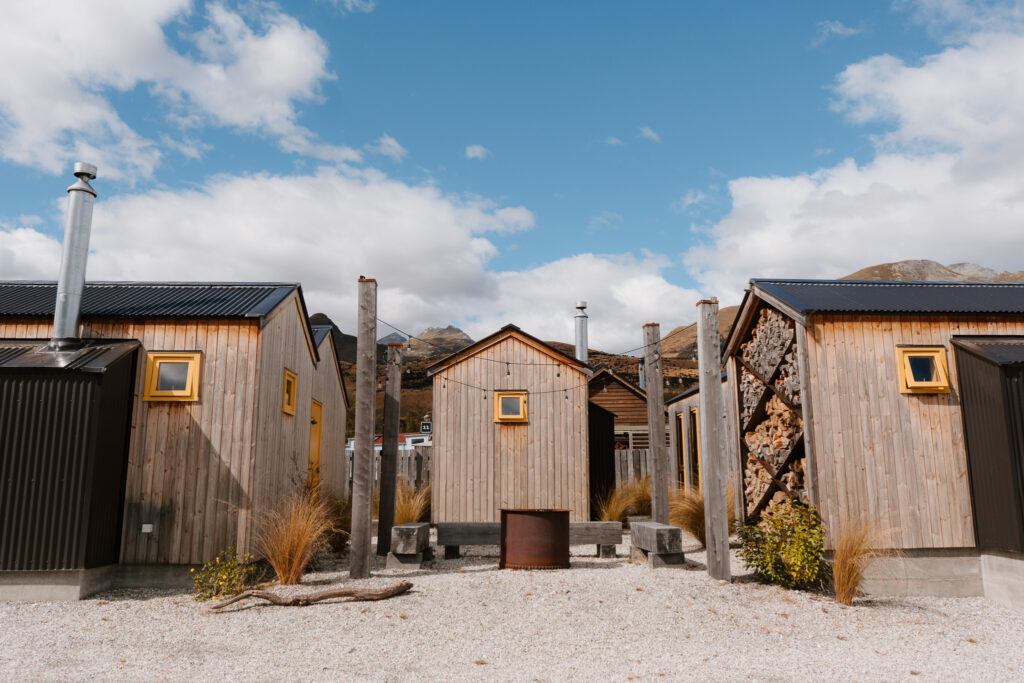
Below are a few random pictures that don’t necessarily fit into my above categories.
Several of these photos were taken in not ideal lighting, which I wanted to include so you could see how the Fujifilm XT50 handles light in these situations.
Final thoughts
After two weeks in New Zealand, I can confidently say that the Fujifilm X-T50 is a great travel camera.
If you want something lightweight, aesthetically pleasing, and fun to use on your travels, then you’ll likely enjoy using the Fujifilm XT50. It’s perfect for most trips, which include sightseeing, exploring cities, documenting where you eat/what you do.
However, it’s not a camera I’d take on a trip with a lot of rugged outdoor adventures. The lack of weather sealing made me overly cautious a few times, but overall, I really enjoyed my experience traveling with the Fujifilm XT50!
If you’re new to Fujifilm like I was, and you plan to travel with it, I’d recommend spending some time practicing at home before your trip so you can really enjoy using it and not feel frustrated when you’re out exploring, and things go wrong.
If you’re new to photography and need help understanding how to use your camera, check out my beginner-friendly guide below. It’s designed to help you feel confident with your camera while building consistency.